Ask someone “What year was that?” and you’ll get two kinds of answers. One kind of person just gives you the year, like reading it off a table. The other pauses and says, “That was when I was doing my military service,” then counts back from there and finally squeezes out a year. People in the second group often get told they have no sense of dates. Their memory isn’t broken, though. It’s just indexed differently.
In cognitive science research, recalling when something happened often means rebuilding the date from the event and its context. The brain remembers who was there, where it was, what happened, and uses those clues to work its way back to a date. Some people can remember dates directly. The difference lies in what you use as an anchor when you recall, and how far back you have to reason.
So I like to think of these differences as a handful of different calendars.
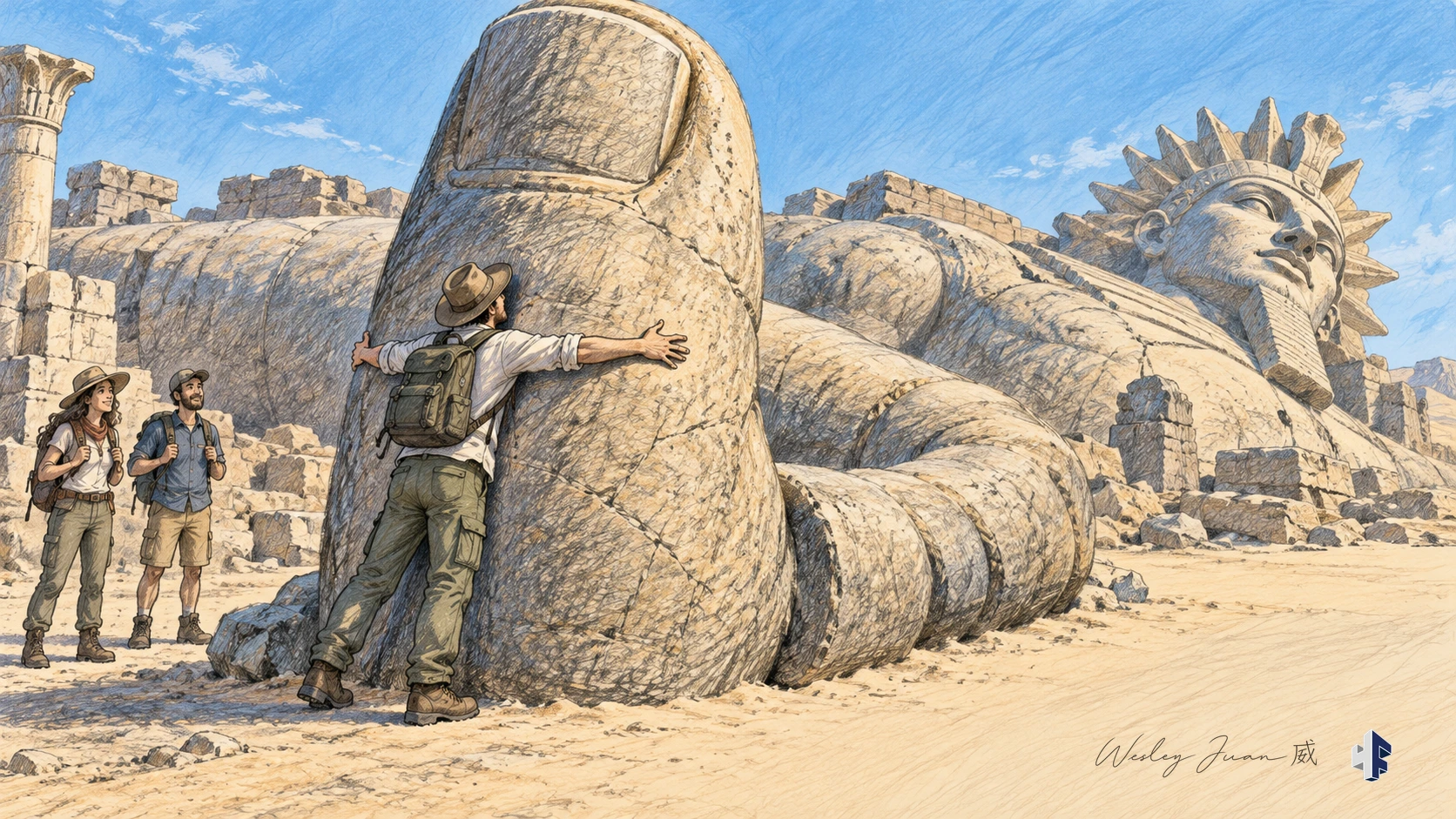
Some people use events as their primary key. Their memory works like a chain of cause and effect, one thing hooked onto the next, with people woven in between. Ask them what year it was and they start by telling you why. A calendar, a coordinate with nothing in it, is exactly what has trouble sticking. A smooth number has no hook. Nothing hangs on it.
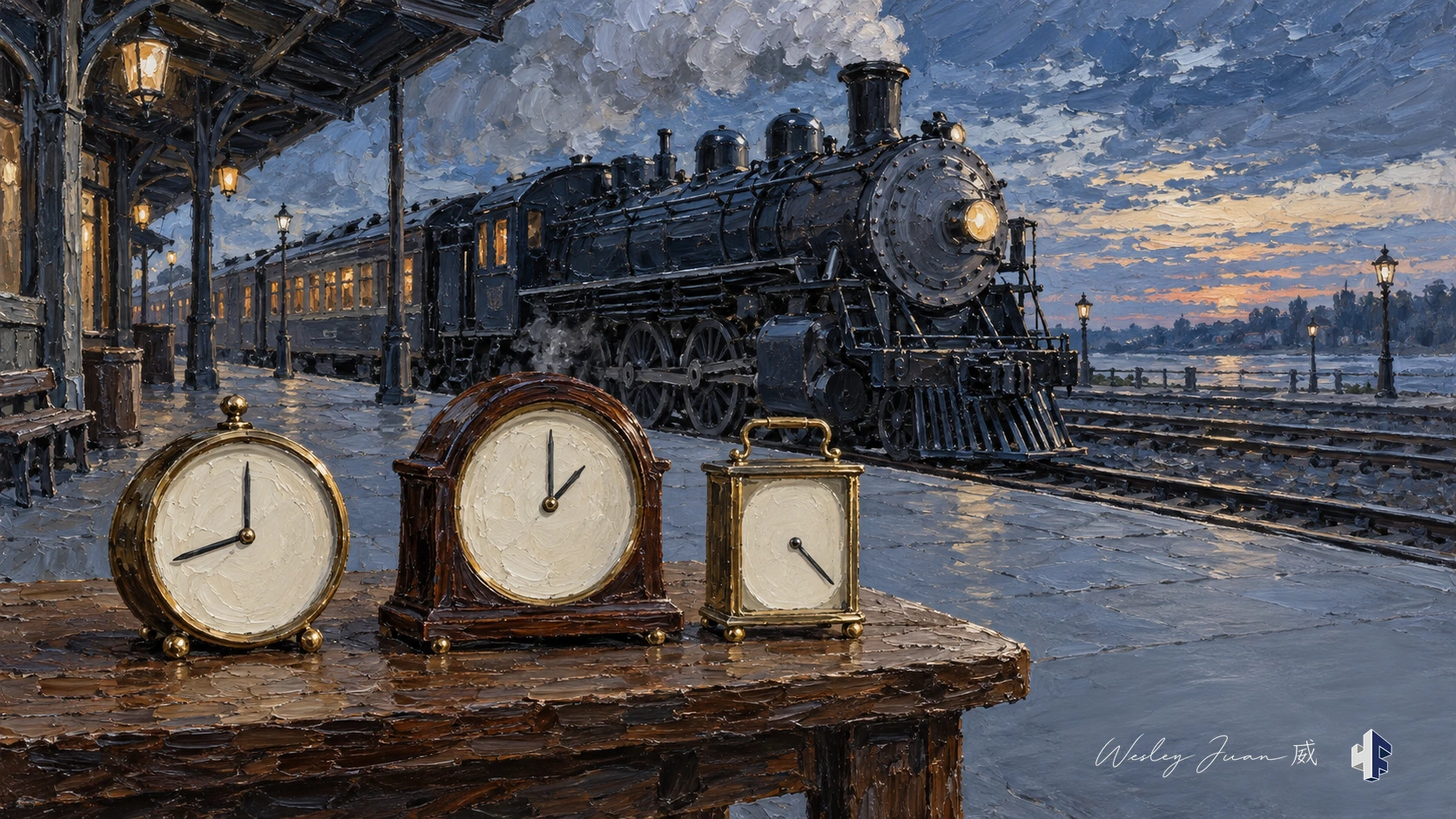
Some people use time as their primary key. Events are attributes hanging off a date. Their planner is their external memory: what month, what day, what time we meet, and anyone can line up with it. The calendar is a public coordinate, but the details of what happened live only in the heads of the people who were there. A train can only run on time if the track is fixed; when the plan changes, these people first have to switch themselves onto a new track.
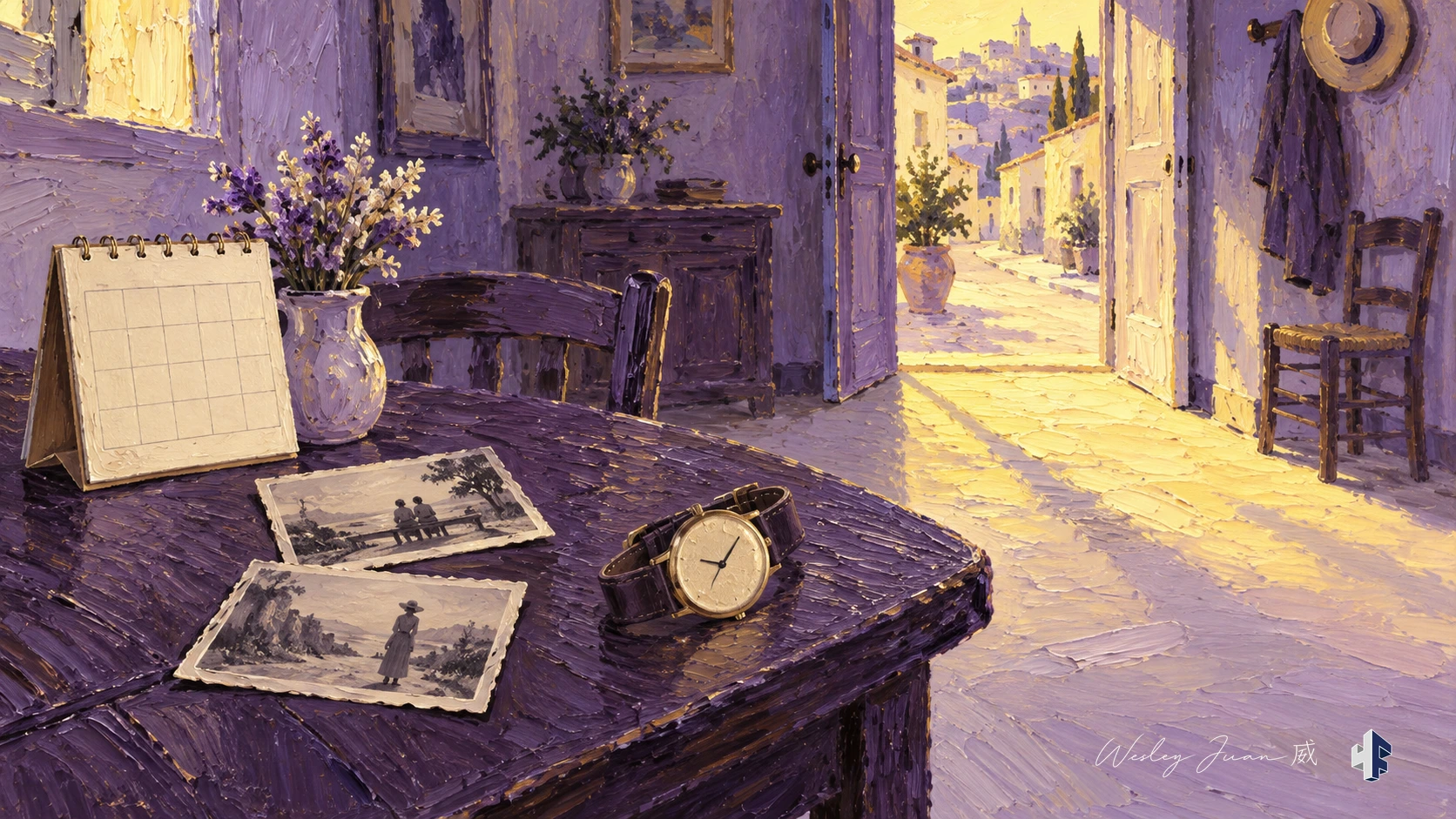
Some people use places as their primary key. When they think of something, what surfaces first is how the room looked, the light at the street corner, and only then do the time and the people come back. The ancient Greeks’ memory palace turned this instinct into a technique: put what you need to remember inside an imagined house, then walk a familiar route through it and pick the clues back up one by one.
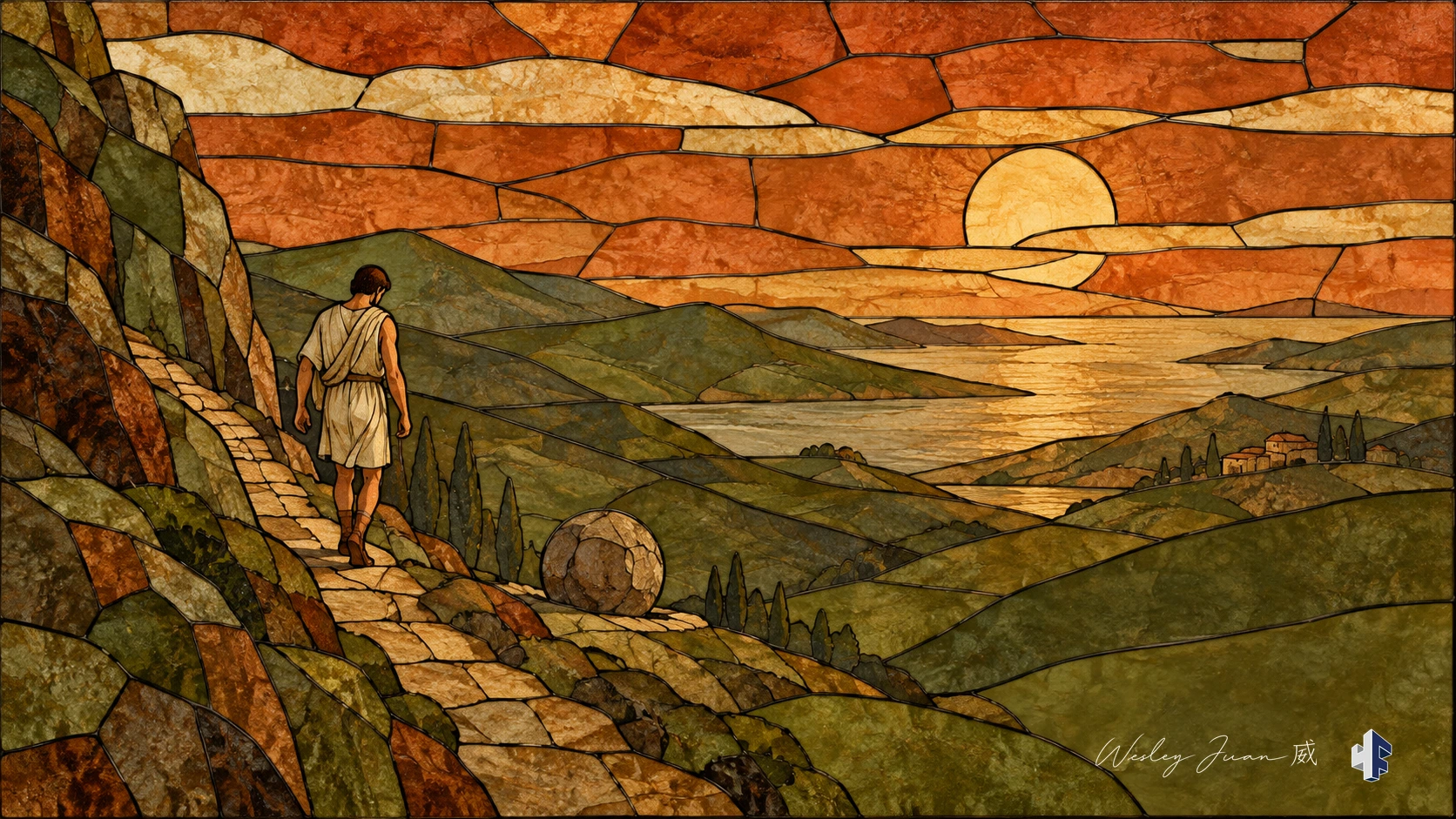
And some people use the body as their primary key. What they remember is rhythm: what time they got up every day back then, which way they walked, whether they were tired. Time, for them, is something felt in the body. Ask them what month it was and they’re not sure. Ask whether it was cold back then and they know for certain.
None of these calendars outranks the others, and several can live in the same person. You follow events when you’re writing a strategy, watch the clock when you’re managing a schedule, and remember the place first when you think back on a trip. On a team where everyone anchors time differently, they all find each other a little strange.
Humans learned early on to place people and events in time. The Romans named each year after that year’s two consuls. In ancient Babylon, a year could be called “the year the king dug that canal.” China counted years by imperial era names. All of these use events plus people as coordinates in time. A year with a name, and a story.
Even the phrase “as punctual as a train” couldn’t exist until there were railroads. Before 1883, many towns in North America kept their own local time, set by where the sun stood; the railroads each ran on their own regional times, too. It was the railroad companies, needing workable timetables, that pulled their lines together into a handful of time zones. North America’s railroad standard time is still less than 150 years old.
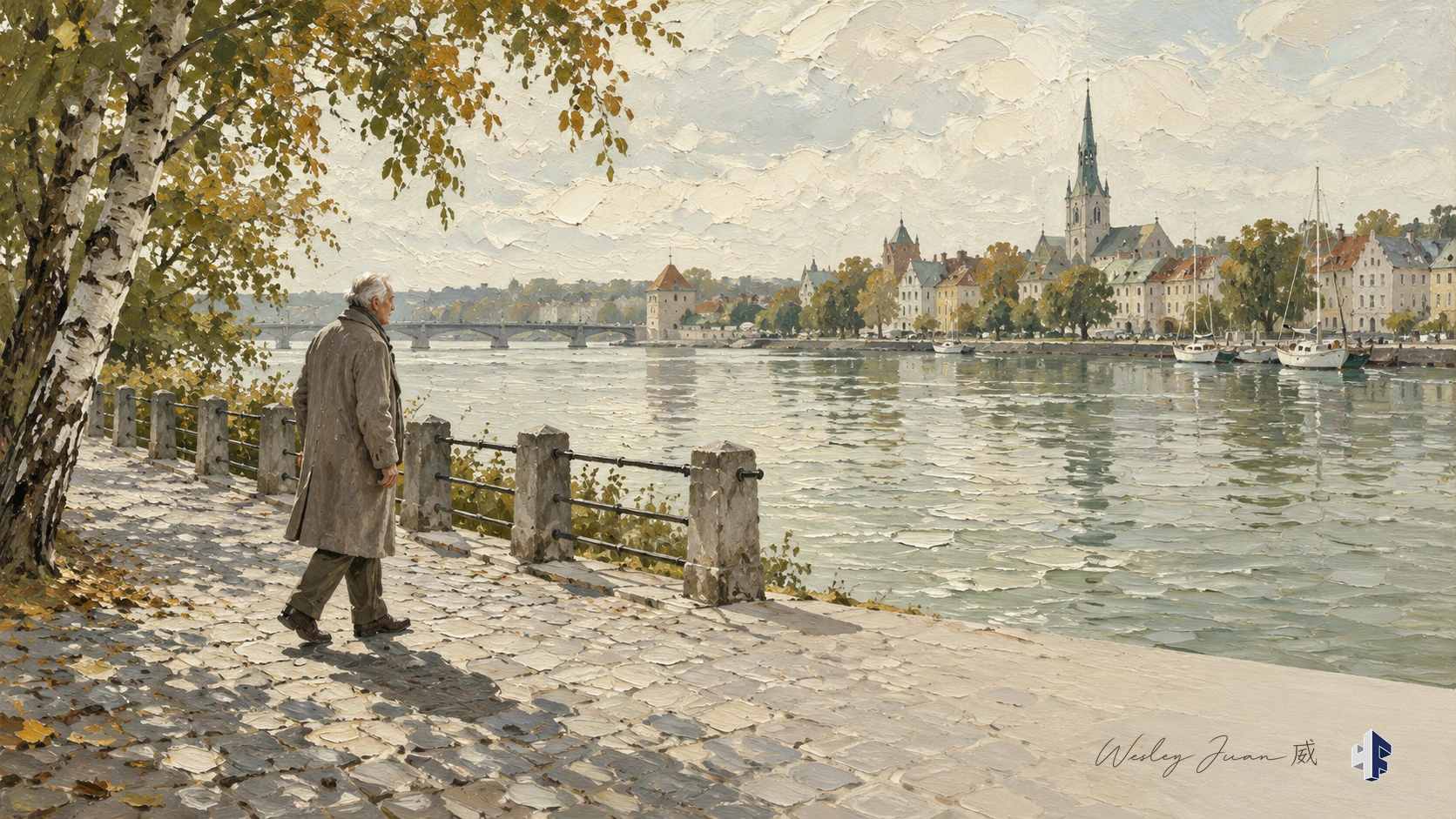
Go back further and there’s a man said to be more punctual than any train. Legend has it that Kant left for his walk at the same time every afternoon, and the neighbors in Königsberg set their clocks by him. Apart from a few years as a young man tutoring for families outside town, he hardly left Königsberg in his entire life.
So everyone thinks with a calendar of their own. Sun, events, trains: any of them will do, as long as it works for you. I’d just suggest getting to know a few more. Once you can read other people’s calendars, you’ll see why one person is always late yet remembers everything, and why another is never a second off but, when the plan changes, first has to switch themselves onto a new track. Then you’ll notice that your own is just one among many.
Further reading and sources
- Fradera and Ward: the time cues people use when recalling the dates of events (2006)
- Cicero, De Oratore (On the Orator): places and images as aids to memory
- CDLI: the canal year name of the Old Babylonian king Sumulael
- Smithsonian National Museum of American History: railroads and standard time zones
- Kant studies: his years as a private tutor outside Königsberg, with primary records
- Notes on Kant’s life: Heine’s anecdote about the daily walk
Your notes and saves (optional)
Keep a version of your own.
Saved only in this device’s browser and never sent anywhere. Other devices won’t see it, and clearing your browsing data erases it.
Further reading and sources
- Fradera and Ward: the time cues people use when recalling the dates of events (2006) ↗
- Cicero, De Oratore (On the Orator): places and images as aids to memory ↗
- CDLI: the canal year name of the Old Babylonian king Sumulael ↗
- Smithsonian National Museum of American History: railroads and standard time zones ↗
- Kant studies: his years as a private tutor outside Königsberg, with primary records ↗
- Notes on Kant’s life: Heine’s anecdote about the daily walk ↗