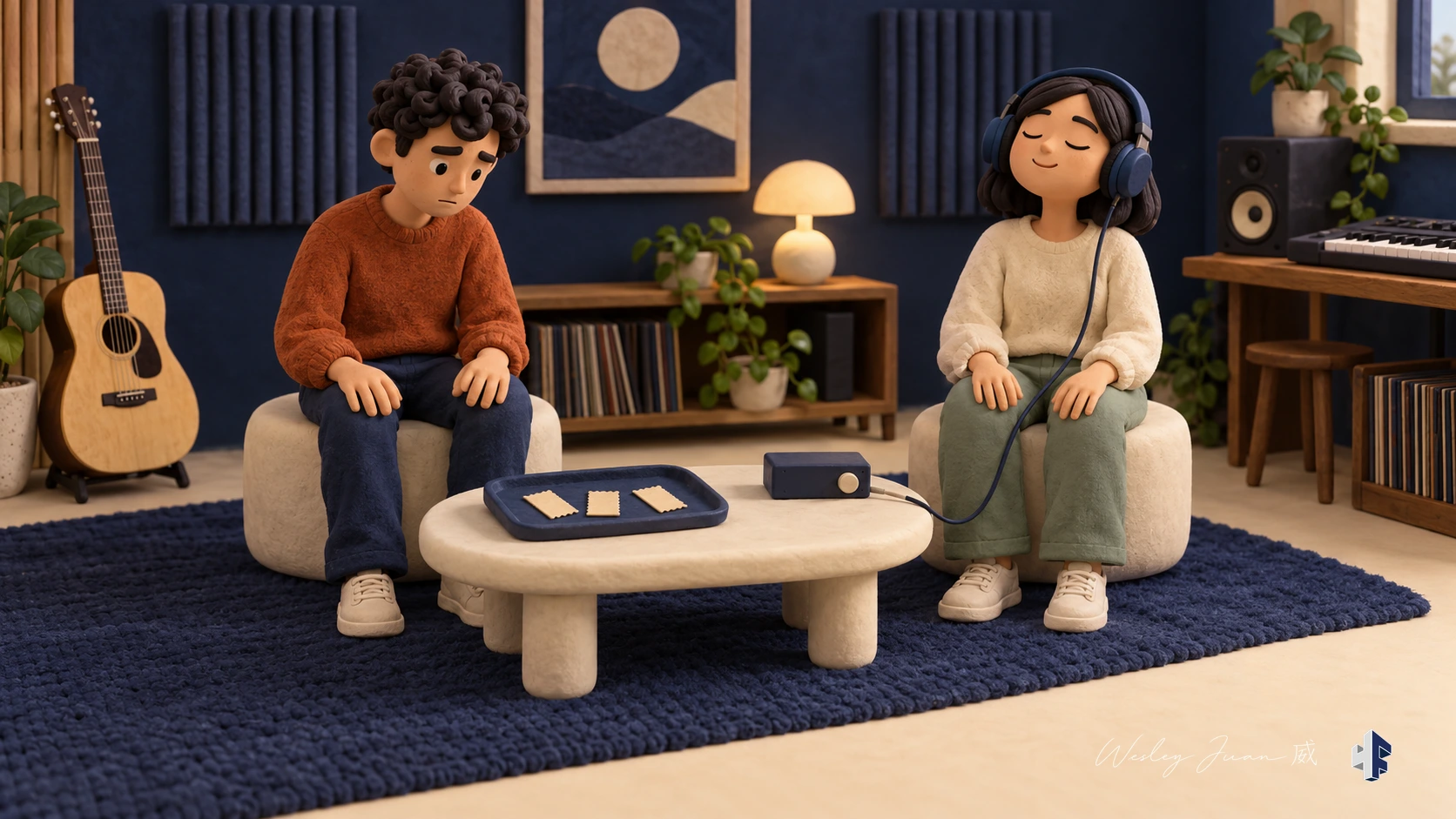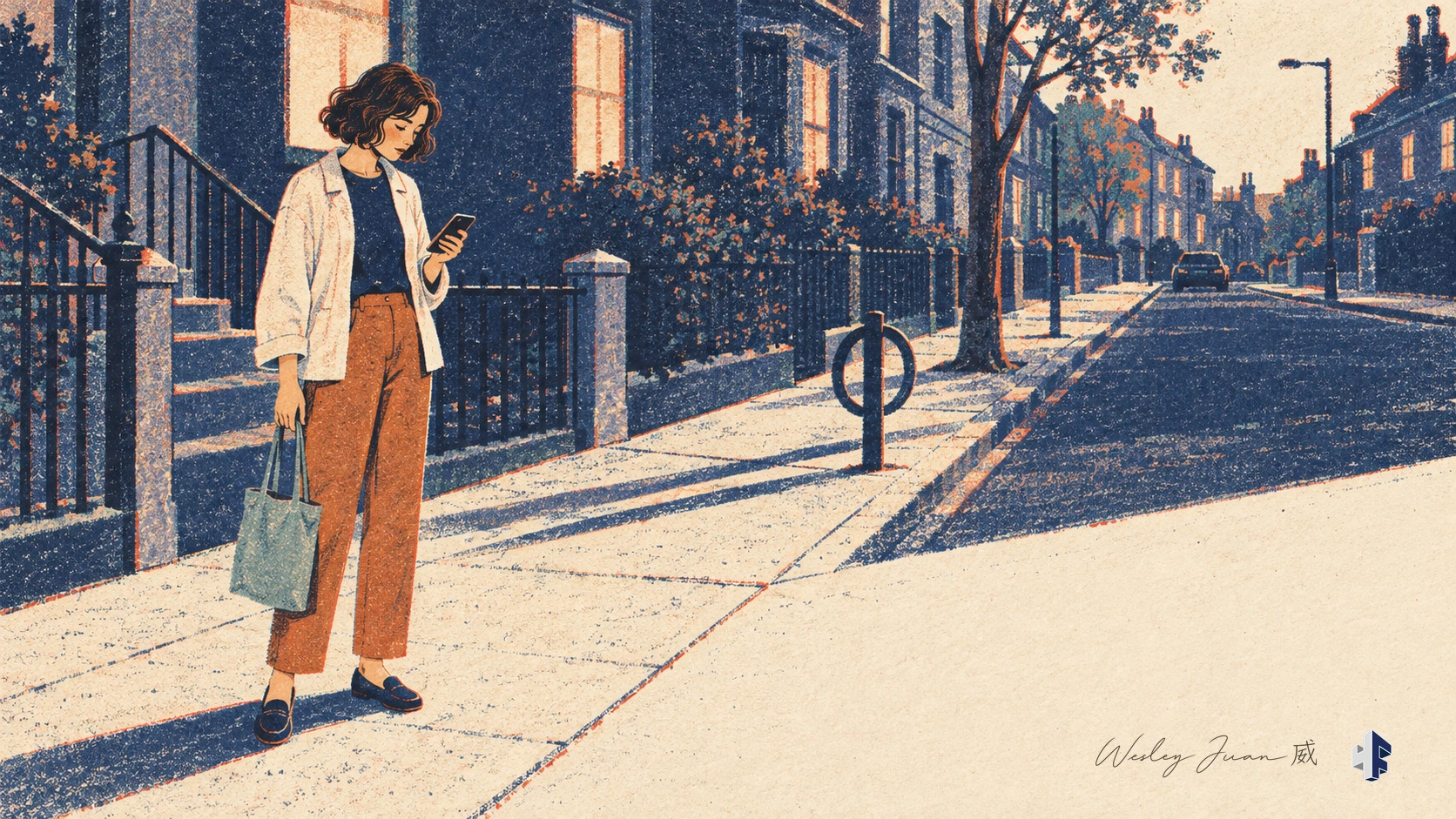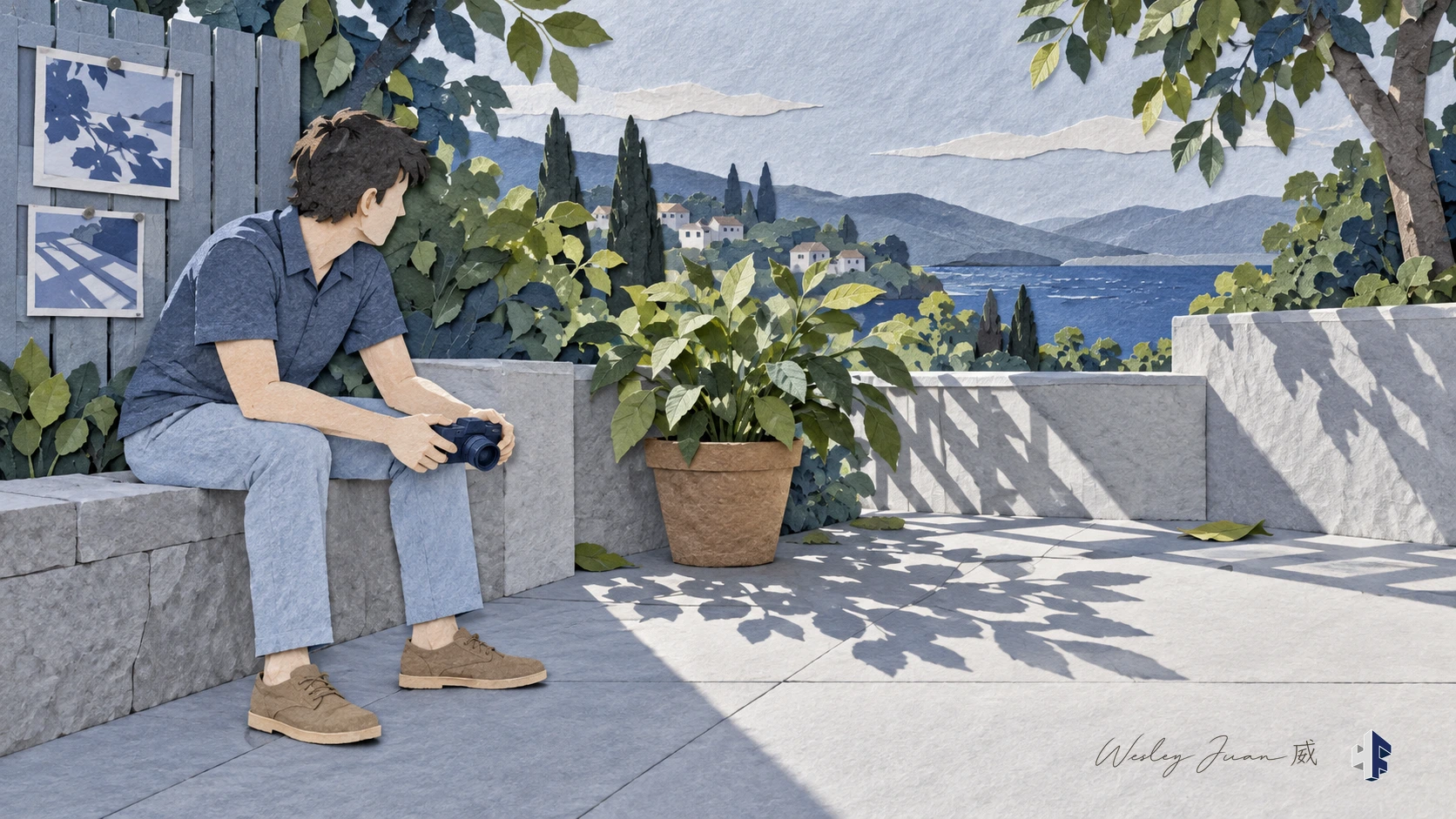
A friend looks at your photos and says, “You’re really talented.” You were only ever into the afternoon light, and suddenly you’re a little anxious about the next shot. You don’t want anyone to see the ones that didn’t work. You want to try a style you don’t know, and you worry someone will ask, “Have you lost your touch?”
One compliment grows into a role
Praise is supposed to feel good. Someone noticed the care you put in and took the time to say what they liked. A response like that, you can simply accept. The subtle shift comes when you start feeling you have to live up to that adjective forever.
“This photo is great” slowly turns into “I’m the one whose photos are always supposed to be great.” Next time you shoot, you’re not just watching the light. Part of you is busy minding the role.
If you’re not sure this is happening to you, ask: if no one would ever see this, how would I shoot it? If the answer is far from the version you’re about to post, you’re doing two jobs at once. One is making the work. The other is maintaining someone else’s impression of you.
Keep the praise somewhere specific
You can turn vague praise into something clearer by asking: “What part of this one do you like?” They might say the color, or the moment the person in the frame happened to relax. Answers like these let you see the work, instead of just collecting a certificate that says “amazing.”
The same goes for the feedback you give. Pointing out how one choice created an effect keeps the conversation going better than handing someone a title that says they can never miss again.
Of course, a friend’s “so good!” doesn’t need to be cross-examined every time. You can just say thanks. But when you’re about to learn something new, remind yourself: what they liked was one finished piece. It didn’t cancel your room to make mistakes from here on.
Take the compliment, and save a seat for the you who hasn’t mastered it yet.
Some occasions call for reliable. Some places should allow clumsy.
Being willing to be a beginner doesn’t mean treating every occasion as trial and error. If you’ve agreed to shoot someone’s big event, you owe them the quality you promised. You can’t announce afterward that you were exploring.
But you can set aside time with nothing to deliver. Put on a lens you don’t know, shoot only things in motion, or let a whole afternoon go by without a single photo you’re happy with. Whether any of it ends up in your portfolio doesn’t matter.
Not every photo has to campaign for your résumé.
A new direction doesn’t have to pass your old audience’s exam
When you change styles, not everyone who liked your old work will like the new. Some comments point to technique you haven’t mastered yet. Some just mean the person preferred where you were before. Those need different responses.
Technical gaps can be practiced away. Differences in taste don’t need to be erased. Say clearly what you wanted to explore this time, then see whether the work got there, rather than judging it only by whether familiar faces nod along.
Even after the praise, you can start over. That doesn’t reset what you could already do to zero. It clears a patch of open ground, not yet mastered, right next to it. The next photo isn’t guaranteed to be better. But you can finally look at it properly, without first asking whether it lived up to that compliment.
Ever since someone called you “really talented,” you’ve been afraid of botching a new style. What kind of space would let you enjoy being a beginner again?
Your notes and saves (optional)
Keep a version of your own.
Saved only in this device’s browser and never sent anywhere. Other devices won’t see it, and clearing your browsing data erases it.