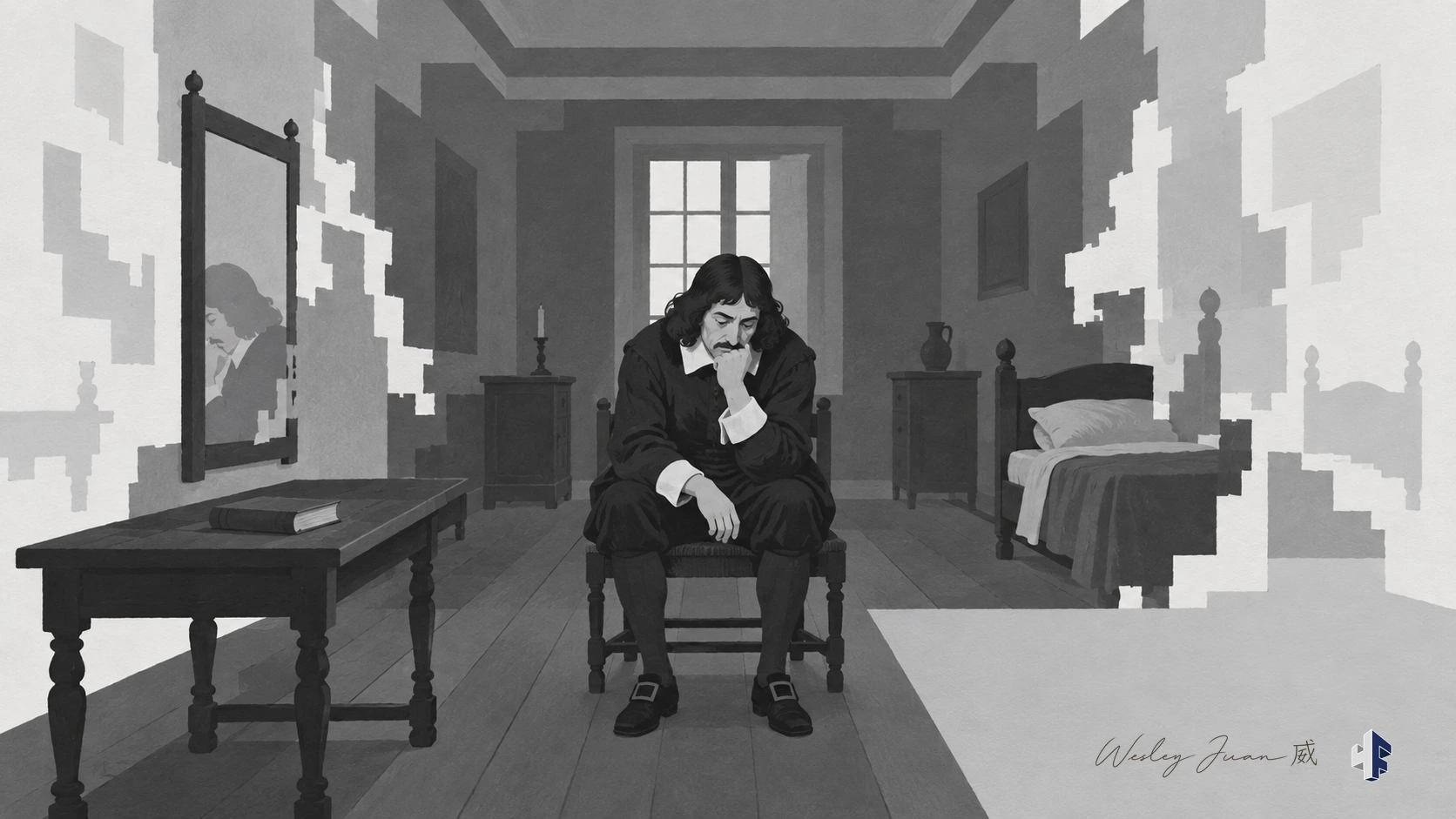
On the way home, you think back to a conversation from earlier in the day. All they did was ask one follow-up question, and you’re still turning it over. You take out your phone to jot something down, then decide it’s too small to count as a point of view. The screen goes dark, and the little thing drifts off with it.
Keep it before life has tidied it up
Say “creative work” and it’s easy to picture finished pieces: a crisp headline, a story with a turn, a last line that lands right where it should. Hold your scraps of thought up against that and of course they look thin.
But keeping notes can start earlier. Hold on to a scene, a line that made you pause, and the part you didn’t understand. Don’t worry yet about whether it becomes an essay or stays in your notebook.
Say you notice a café with only a few seats that still lets people linger for hours. Write that down, then add: why isn’t the owner in a hurry to turn the tables? It’s only a question, so keep the question mark on it for now; writing the shop’s business philosophy comes after you’ve checked.
Between the thing and the question, add one more stop
Next, separate “what I saw” from “what I guess it means.” What you saw: people sitting a long time that afternoon. What you’re guessing: the owner values relationships, or it was just a slow day.
The two explanations take the story in different directions. If you haven’t asked the owner, write the piece as an inquiry: when a chair is both a revenue asset and a place to stay a while, how does the person running the shop weigh it?
A piece like that can still take a position. You can say which arrangement you prefer, and talk about what it costs. Readers can simply tell which part you saw, which part is your reading, and where you’ve left space for someone else to fill in.
Keep the spot where you paused. The point of view can arrive later.
The depth of an ordinary moment isn’t about length
Once you have the question, find an example that makes your first idea a little less comfortable. You like places that let you linger. What about a tiny shop with a few tables and rent to pay? Could kindness to one customer turn into a burden on someone else?
The counterexample isn’t there so you can perform both sides. It forces you to spell out your reasons more finely: do you expect to linger anytime, or for both sides to allow a little give during the hours the shop can afford it?
If the question is clear by this point, the piece can stop. Not every small thing has to rise to a philosophy of life. Let the question set the length, and don’t pad pages to keep up a posting schedule.
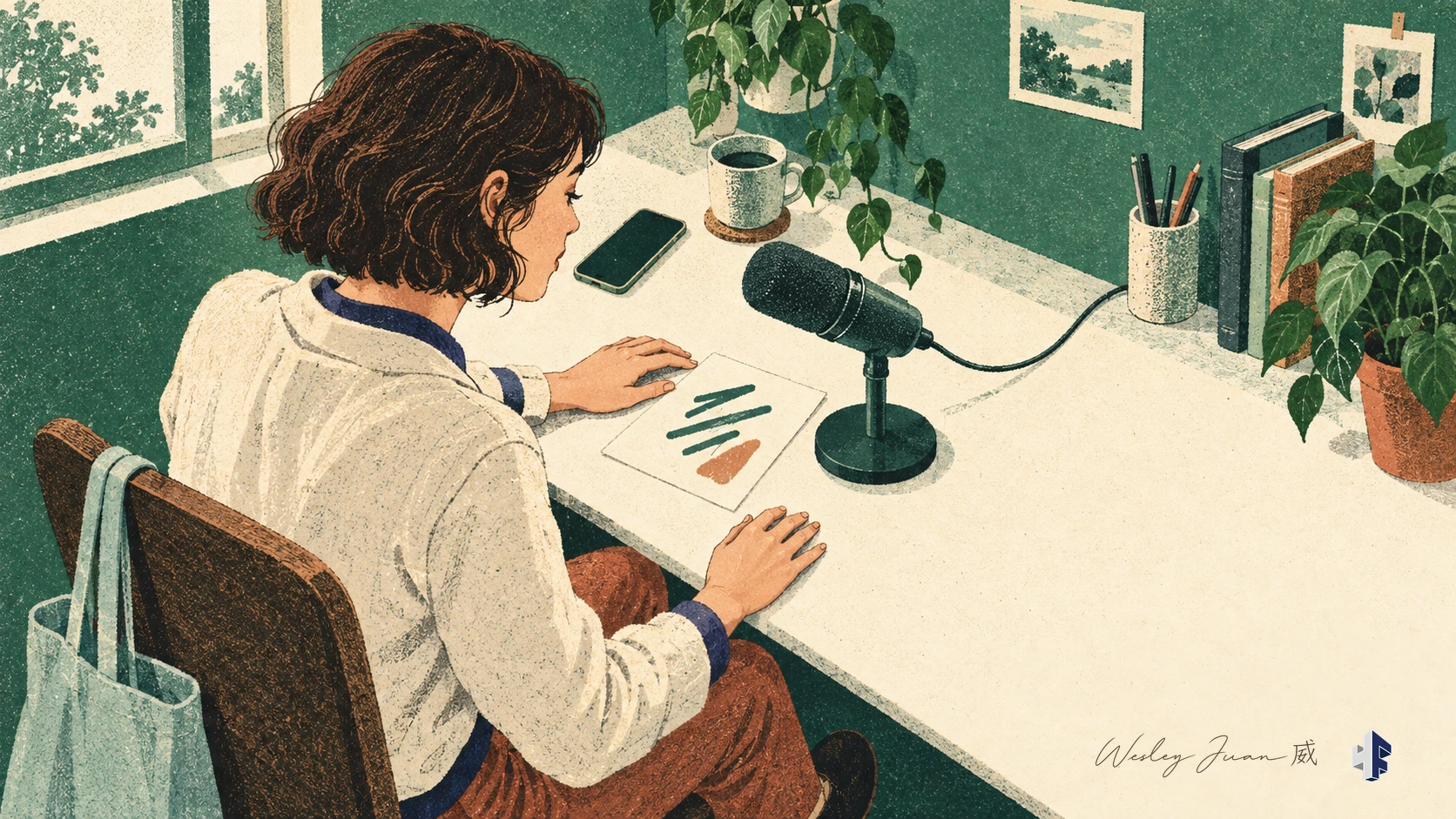
Keep who you were then, and let whoever comes later answer back
Read it again in a few months and you may not agree with the call you made that afternoon anymore. That doesn’t make the note worthless. It shows you where you picked up new information, and where you started caring about something else.
If you publish it, add a short update that explains why you changed your mind. Material that touches a friend’s private life, or work details that shouldn’t go public, can stay in your private notes. Having a story doesn’t mean you have permission to publish someone else’s.
You’re not home yet. That question surfaces again, and this time you take out your phone and type just a few words.
Reading them the next day, even you find it strange: why did I stop on this?
What unremarkable moment today still has you asking, “Why did that happen?”
Your notes and saves (optional)
Keep a version of your own.
Saved only in this device’s browser and never sent anywhere. Other devices won’t see it, and clearing your browsing data erases it.