Everybody loves this cute little guy, right? It’s a beaver.
Little ears, little eyes, front paws that can hug a stick. It looks born to be the face of a children’s book. As a next-door neighbor, though, you might want to think it over.
Beavers are great builders. Sticks, mud, stones: haul a bit, pile a bit, and a stream becomes a pond. A beaver builds itself a home and makes a place for other animals to live, too.
But humans have renovation plans of their own.
In Idaho, some beavers had moved their lives into orchards and irrigation works. They gnawed and built as usual, and the trees people had worked so hard to grow and the ditches they had carefully laid out all had to be sorted out again.
In photos, they’re adorable forest engineers. Next door, they’re more like a neighbor who comes over unannounced and redoes your plumbing.
The state Fish and Game Department came up with a plan: move them. The backcountry had good places for beavers to live. Let them build their dams and settle in out there, and the habitat would improve for other wildlife, too.
Good movers are hard to find
They had the new address. Movers were another matter.
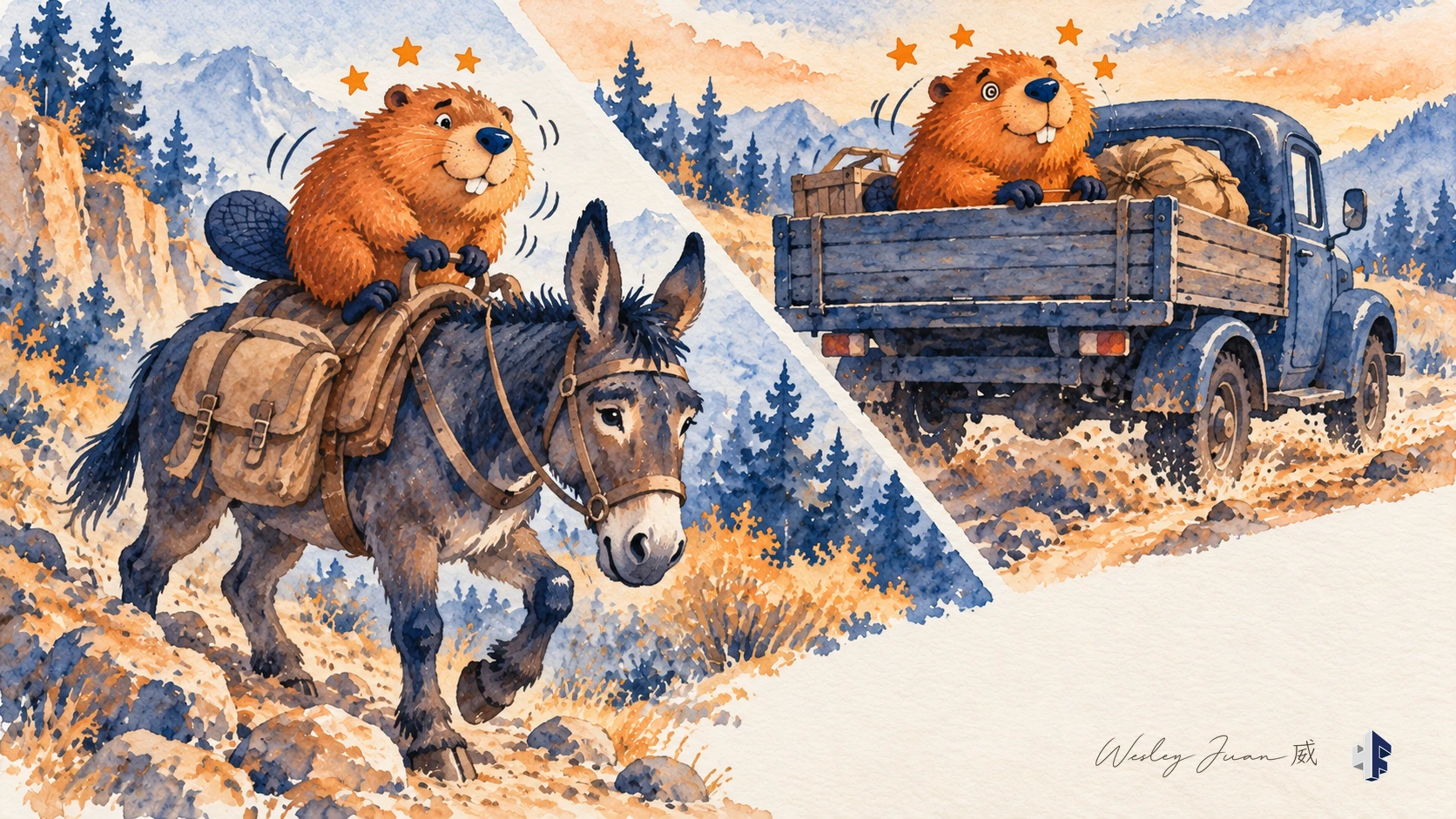
First, horses or mules carried the beavers out of the hills to where a truck could reach. Then into the truck for a long, bumpy ride. At the end of the road, horses or mules took over again for the rest of the way to the new home.
Just hearing about it is tiring. The beavers had to actually make the trip.
They were shifted from one ride to the next, hot and jostled the whole way, and the crew had to keep cooling them down and giving them water. The horses and mules carrying them didn’t enjoy it either: the passengers smelled, and they squirmed. After all that, some beavers died before they reached their new homes.
There had to be a faster way to deliver them.
So people looked to airplanes, and to parachutes left over from the war.
Put the beavers in boxes, hook the boxes to parachutes, fly to the spot and drop them. It sounds absurd, but at least nobody had to change rides so many times on mountain trails.
No one told the passenger when meals are served
Only, once the box landed, who would open the door?
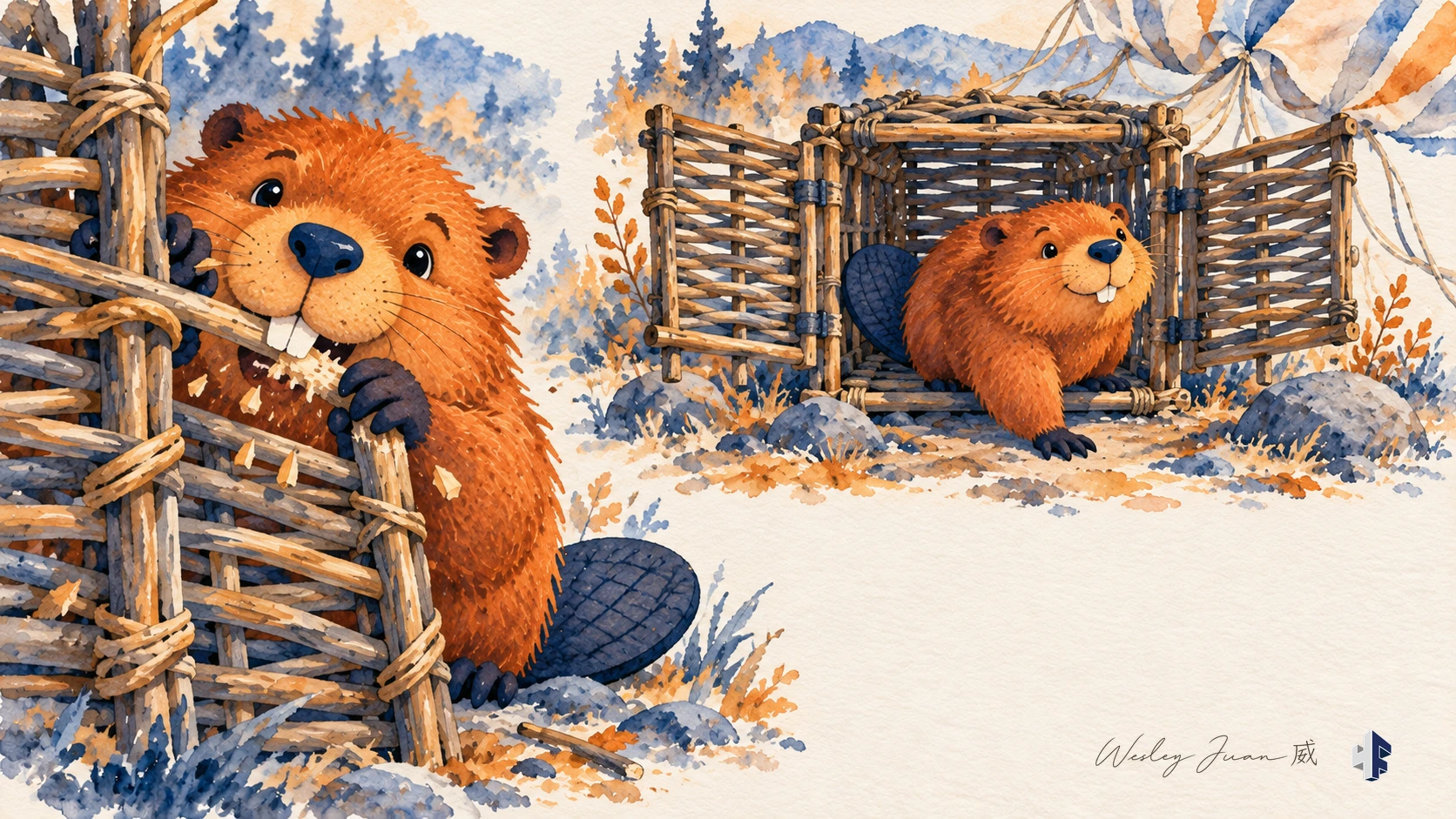
The first design they tried had both ends of the box woven from willow. Beavers eat willow anyway; once it landed, the beaver could just chew its way out. Snack included. Very thoughtful service.
Unfortunately, this passenger had no idea when the meal service was supposed to start.
It might chew its way out while still in the cabin, or get halfway through and find nothing but sky outside. That design had to go.
Next they switched to a wooden box that opened out to both sides like a suitcase. While it hung under the parachute, the taut cords kept it shut. Once the box hit the ground and the chute came down, the cords went slack and rubber straps pulled the box open.
This time the beaver didn’t have to lift a tooth.
Geronimo, you’re up
First they tested it with weights. Then an old male beaver got to try it out. The crew named him Geronimo.
He was flown up again and again and dropped onto the airfield. The box would open, he would climb out, and someone standing by would catch him for the next run.
According to Heter, one of the crew, who wrote it all up later, by the end Geronimo would climb back into the box on his own as soon as anyone walked over.
When it was time to leave for the new home for real, Geronimo was booked on the first flight, along with three females. After landing, the others were soon out exploring, but he stayed in his box a long time.
This time, at last, he didn’t have to get back on the plane.
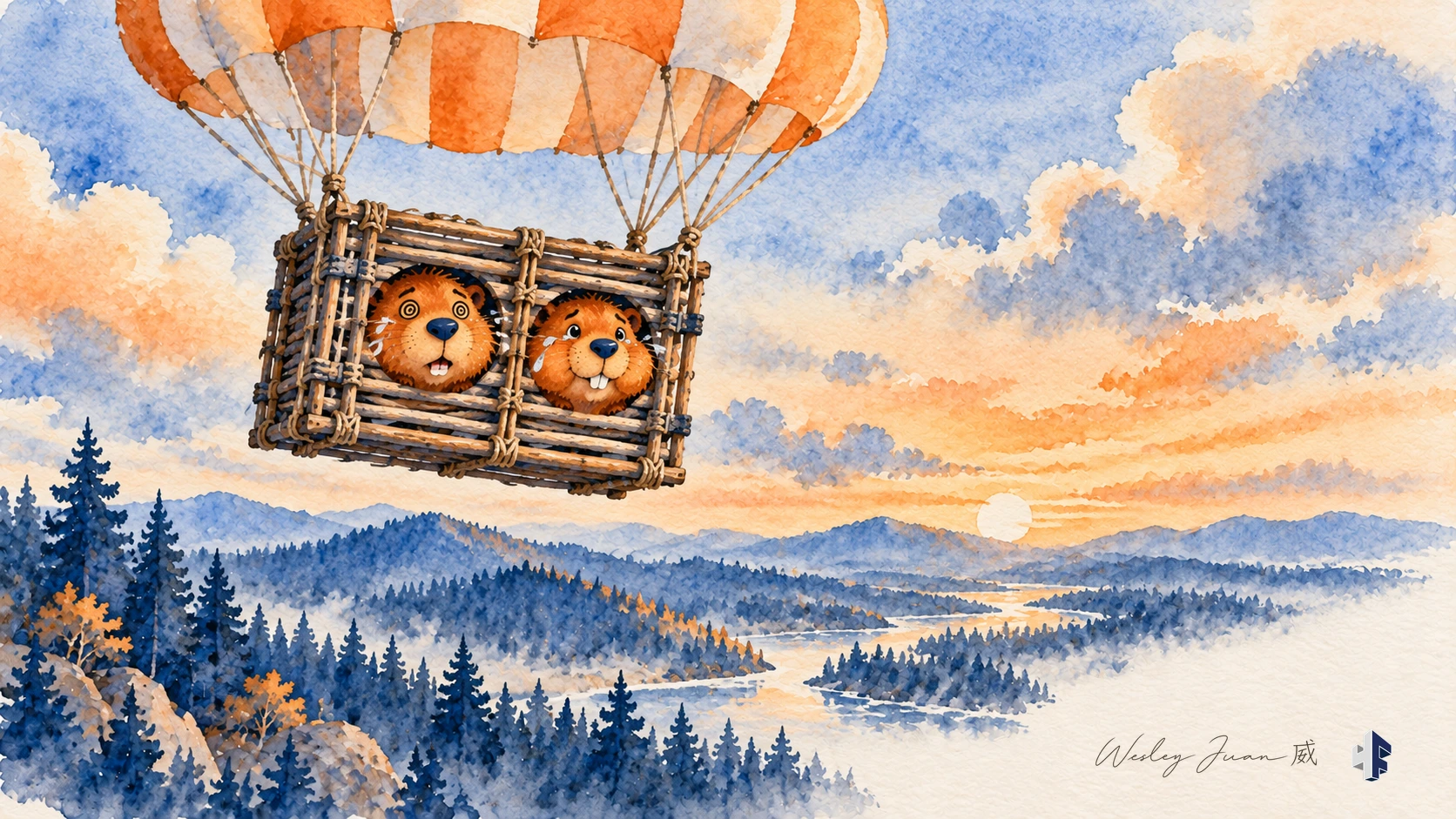
Now arriving: new home
In 1948, the program dropped 76 beavers. One died: its ties gave way early, the box cracked open, and the beaver climbed onto the top and jumped or fell as it neared the ground.
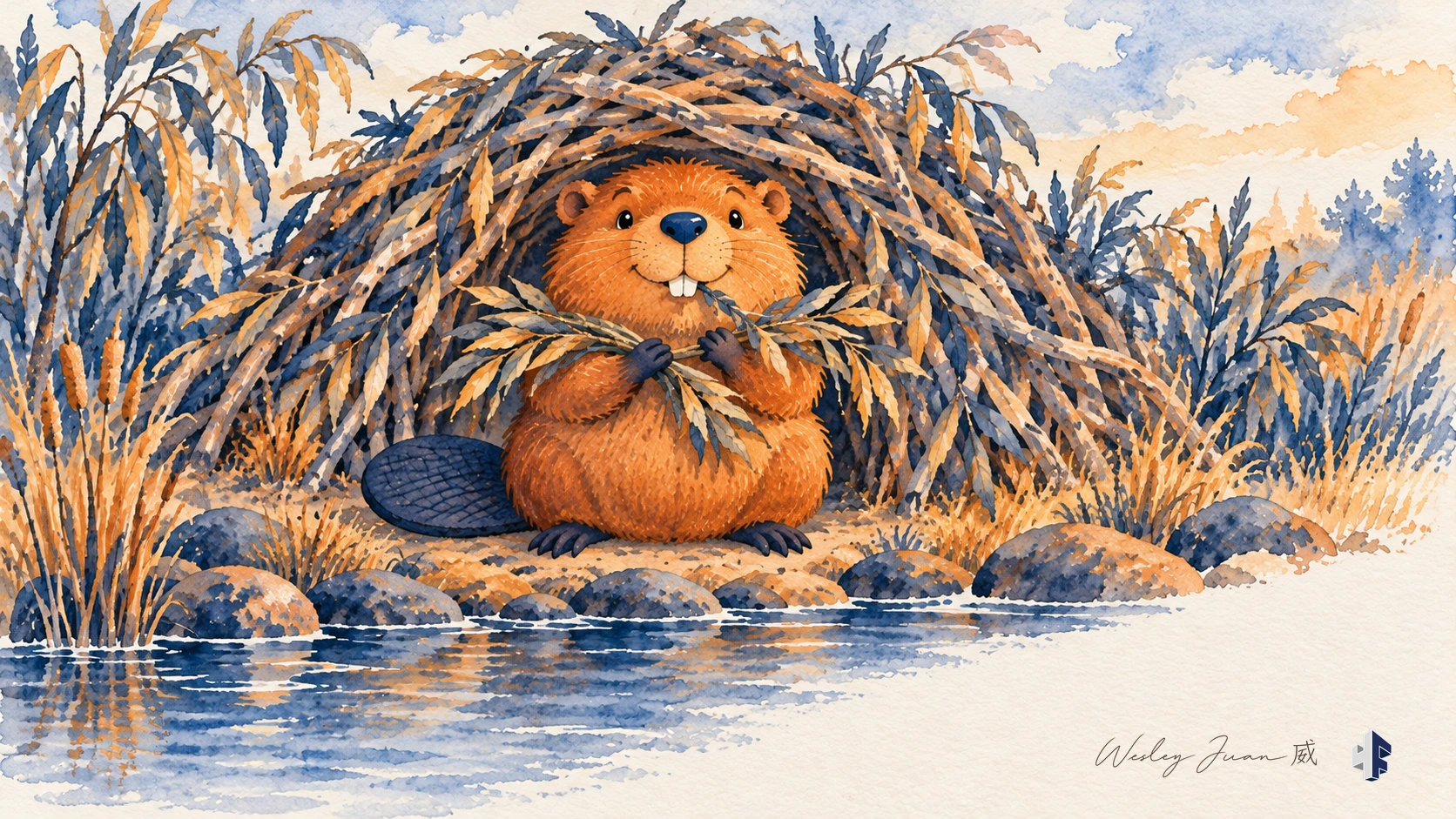
Late the following year, observers reported that the relocated beavers had built dams, finished their lodges and stored up food.
The planes were long gone. The beavers were still busy.
Your notes and saves (optional)
Keep a version of your own.
Saved only in this device’s browser and never sent anywhere. Other devices won’t see it, and clearing your browsing data erases it.