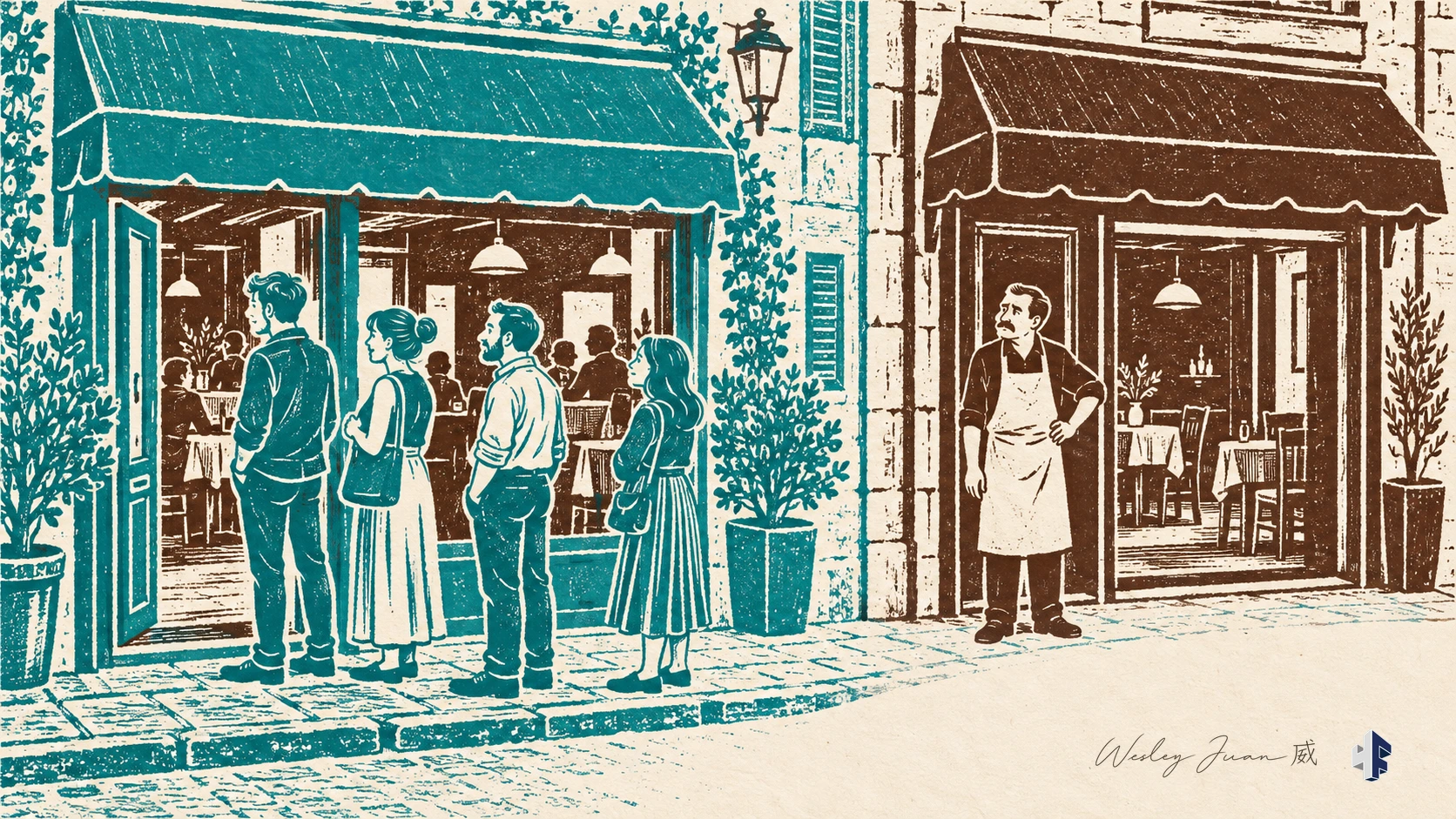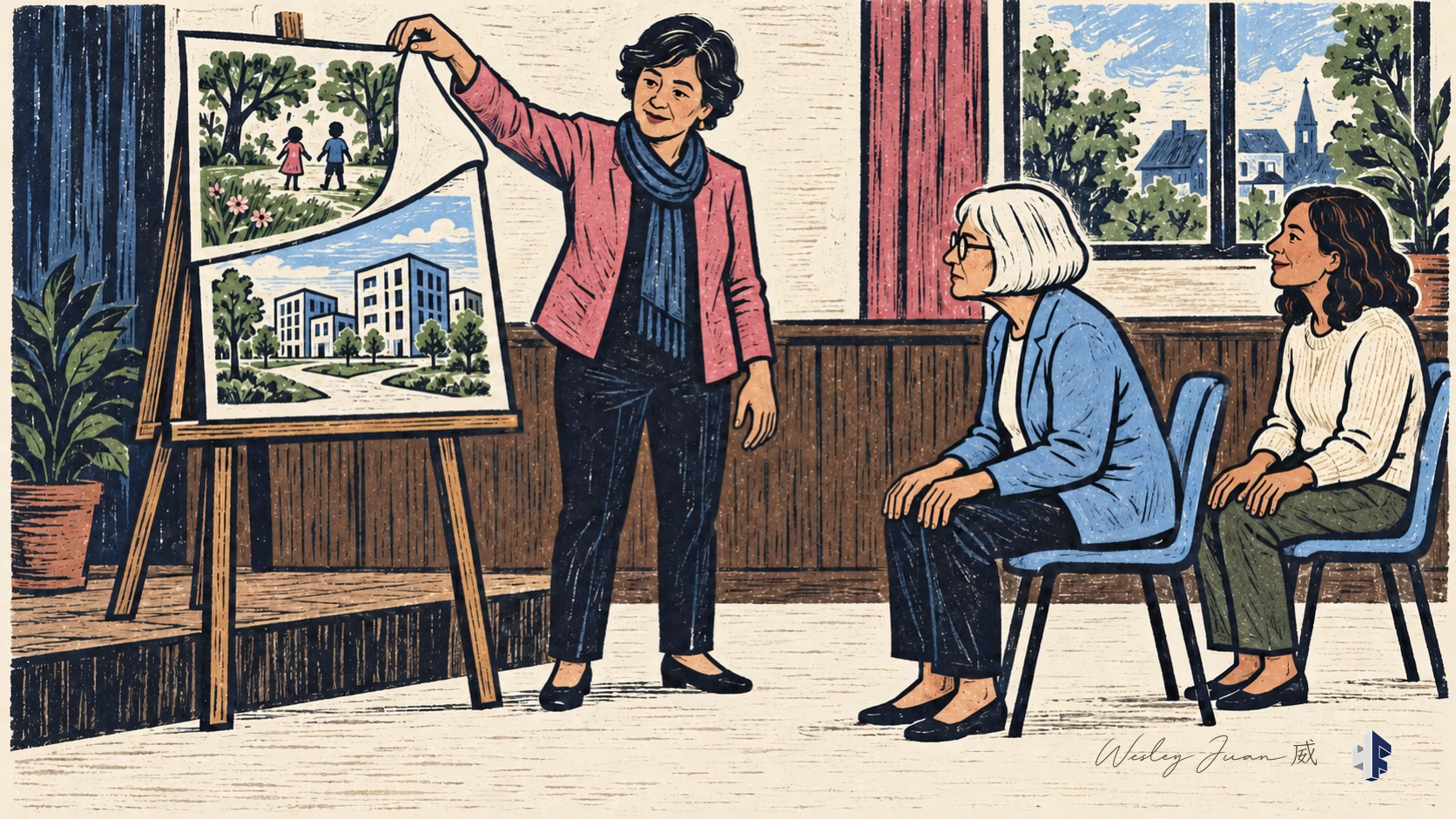
At a community meeting, someone says, “We all want a better future for our kids.” Hardly anyone in the room disagrees. Then the slide changes to a new proposal. You suddenly realize your nod seems to have been carried over to the next page.
A shared wish isn’t a shared road
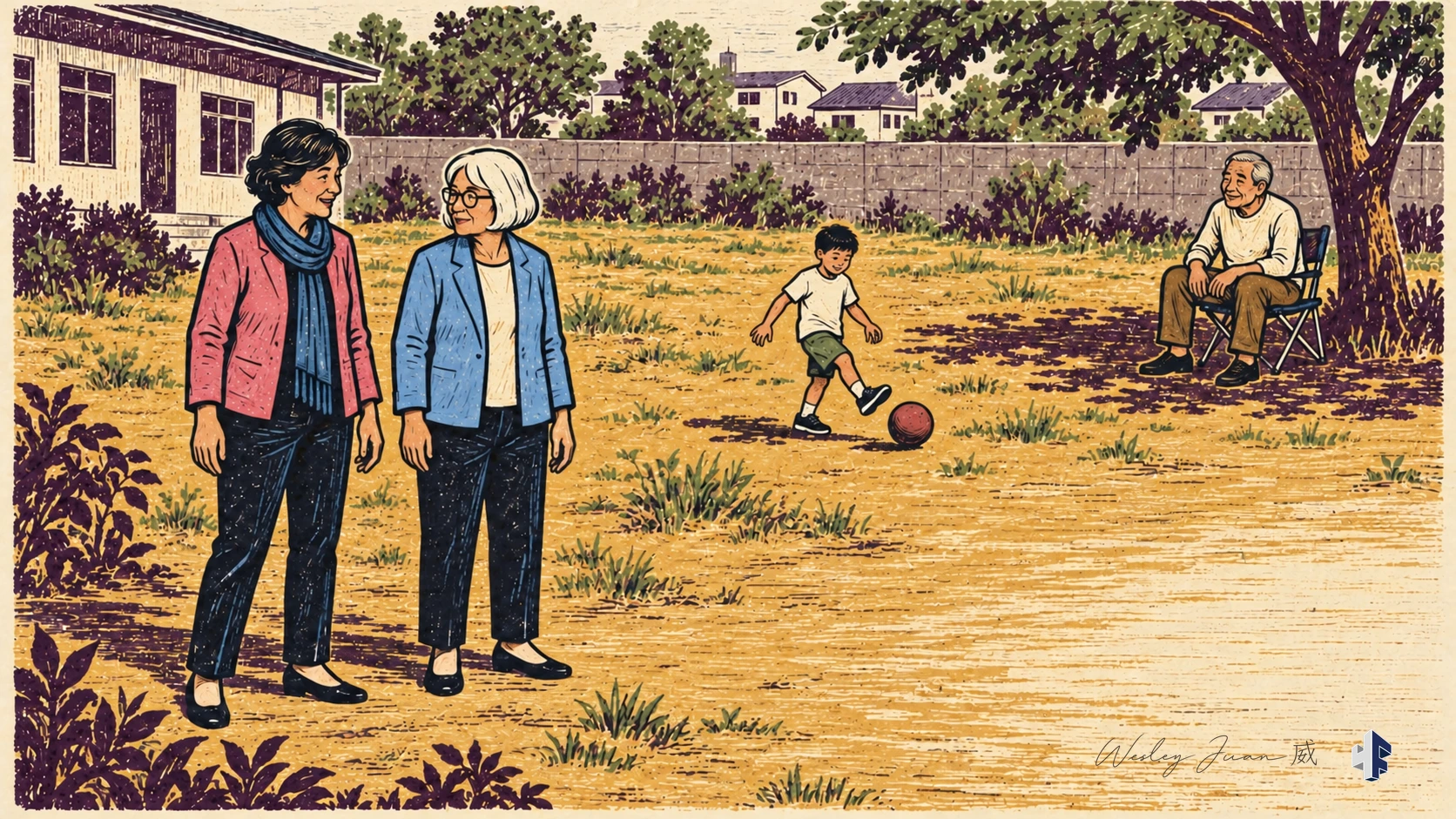
Imagine a school debating whether to turn an empty lot into a sports field. Supporters talk about health and energy; opponents worry about losing the shade trees. Both sides can care about the kids. They just have different plans for that patch of land.
If supporting the proposal gets framed as “giving kids a better future,” anyone who disagrees is pushed into an odd spot: they have to prove they care about kids too before they can start talking about trees, sunlight, and space.
A shared wish can be where the discussion starts. The next step still has to explain how this particular plan gets there, and what it gives up along the way. Separate the goal from the method, and there’s room for another answer that’s just as serious.
After the nod, what else do you want to ask?
When you read a proposal, look for three kinds of sentences: the values it wants to protect, its description of how things are now, and its prediction of what the change will bring. Mixed together, they read smoothly. Pull them apart and the questions surface more easily.
“Kids need room to move” states a priority. “The current space isn’t enough” calls for knowing how it’s used. “More people will exercise after the rebuild” also hinges on opening hours, how the facilities are set up, and whether people will actually use them.
If the data on current conditions is thin, go find more. If people expect different results, lay the assumptions out. If the fight is really about whether shade or a court matters more, more numbers won’t rank them for anyone; that takes a conversation about values and trade-offs.
Caring about the same thing and agreeing on how to get there are two different things.
| What the sentence is doing | What to ask next |
|---|---|
| Stating a value | What do we want to protect? Who bears the cost? |
| Describing the present | Where does the data come from? Which people and hours did it miss? |
| Predicting an effect | How would the change happen? What would make it fail? |
The categories are there to make the discussion clearer; a single sentence can do more than one of these jobs at once.
Feelings have a place. Keep them in the room.
Checking the reasons doesn’t mean you’re left with nothing but cold spreadsheets. Someone remembers waiting for family under those trees in summer; someone else says they’ve never had a decent place to practice. Experiences like these show the discussion what the space means to people.
But one moving story is one user’s story. After you hear it, you can ask: who hasn’t spoken yet? Who comes at different times of day? Who does the current setup make things especially hard for?
By the same token, people who don’t speak smoothly point out real problems too. If only the best talkers get the full floor, the reasons in the room get ranked by eloquence. Let people add written comments, or have the chair check that they’ve understood correctly before moving on.
Turn your objection into a question someone can answer
“This proposal is terrible” packs a punch, but it doesn’t make the next sentence any clearer. Try instead: “I’m worried about losing afternoon shade. Is there a way to keep the trees and adjust the size of the field?”
That doesn’t mean you’ll always find a version that makes everyone happy. Sometimes there just isn’t enough land, and the budget only covers one option. At least everyone can see where the disagreement lies, instead of arguing over guesses about who doesn’t care about kids.
Next time a line makes you nod on the spot, let yourself be moved first, then put it back into the proposal and check it. A good line can open the door to a question; the path behind the door still has to be laid out one step at a time.
“Make sure everyone is taken care of” is moving. When that line is used to back a specific plan, which part of the reasoning would you most want to press on?
Your notes and saves (optional)
Keep a version of your own.
Saved only in this device’s browser and never sent anywhere. Other devices won’t see it, and clearing your browsing data erases it.