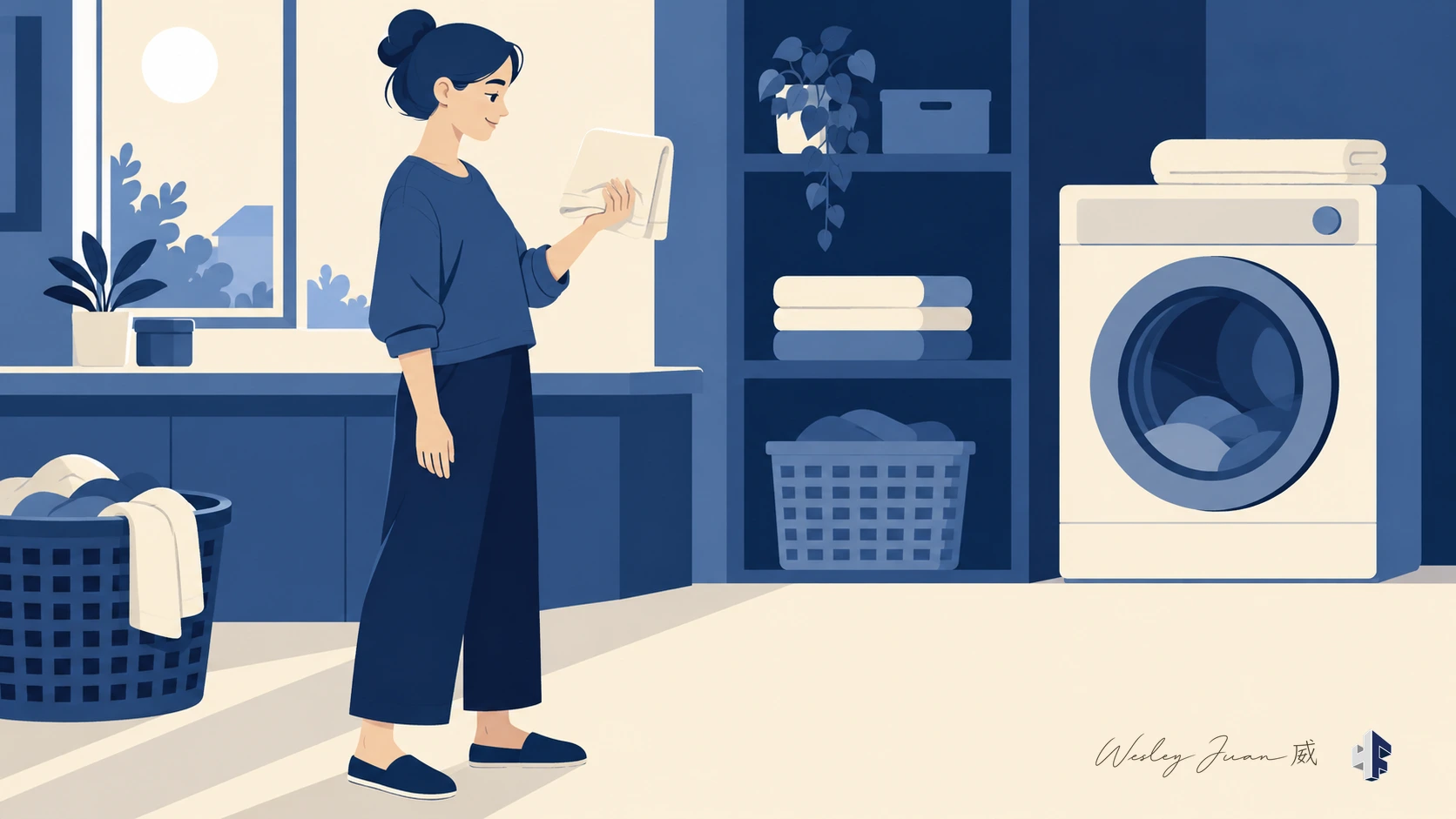
Doing laundry at noon, I gave my brain a workout while I was at it. Coaches need to train too: catch a thought as it pops up, question it, then argue against yourself. The question I worked on that day: if the thing I finally figured out today was figured out by someone centuries ago, what is this understanding still worth?
Everyone’s been here, and I’ve only just arrived
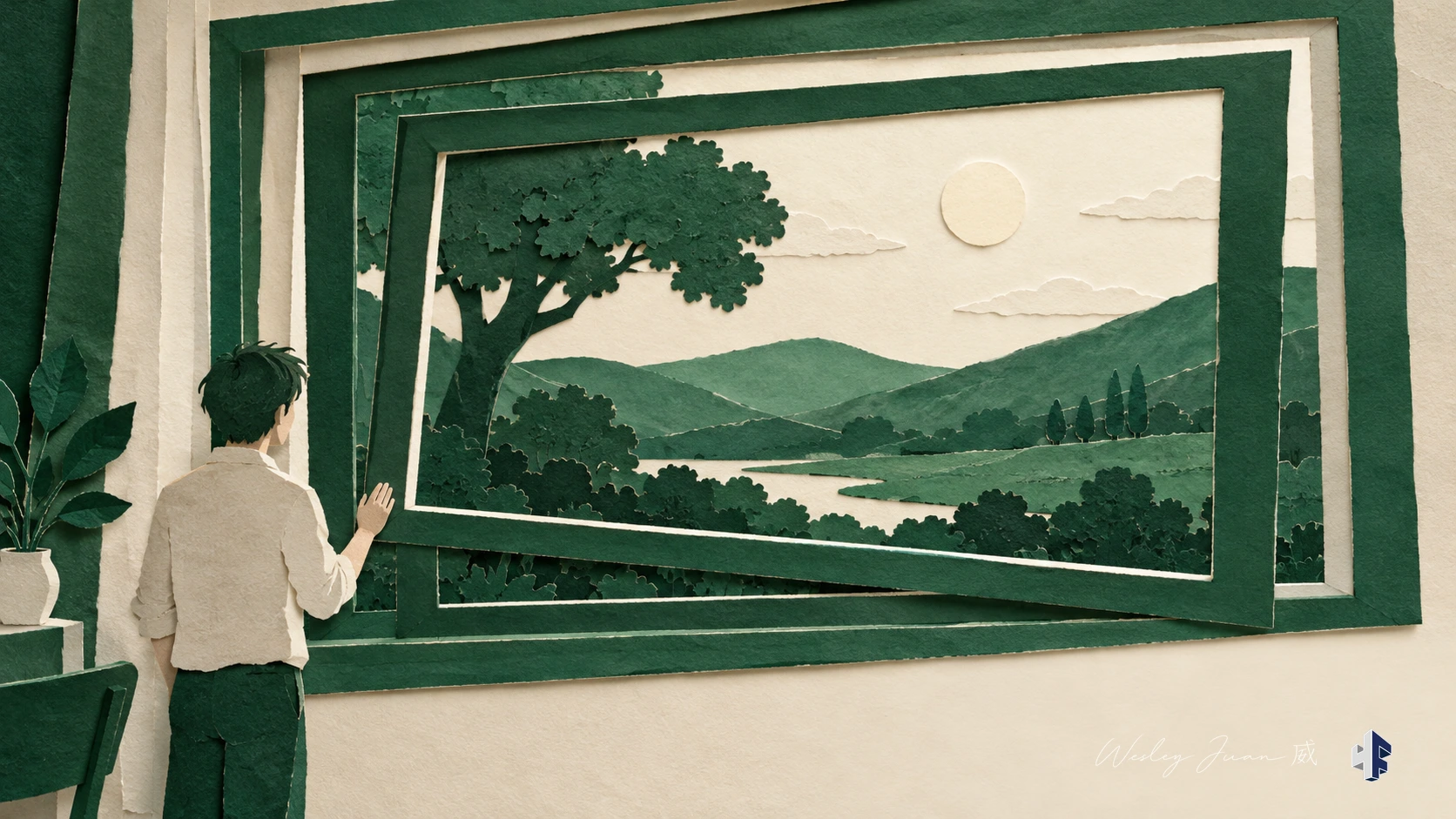
You stumble on an idea and get excited, flip a few pages, and find out it already has a name, people have already argued about it, and they worked it out more completely than you did. A moment ago you felt you’d arrived somewhere. Now it’s as if someone is telling you: everybody’s been here.
But everybody having been here and me arriving for the first time today are two different things.
The idea you’ve been turning over was put forward three hundred years ago. The thing you understood today was proved five hundred years ago. That’s the history of human knowledge. Your going from not understanding to understanding is the history of your life.
The world’s total knowledge didn’t grow. But something really did happen in your life.
Whose milestones did we make the standard?
Research demands new contributions, and for good reason. If you’re going to claim you moved a field forward, you have to show what you did beyond what was already there.
But carry that ruler over to all learning, and things get strange.
The first time you really get a poem, do you have to prove no one has ever read it that way? The first time you understand a choice your parents made back then, do you have to contribute something to psychology? The first time you see that you’ve been mistaking other people’s expectations for your own wishes, do you have to found a new school of thought?
None of this rewrites the history of civilization. But it leaves a clear before and after in a person’s life. From that day on, they look at the same thing from an angle they didn’t have before.
Zero added to the world’s knowledge isn’t zero added to your life.
But I don’t even want to defend it with just “it changed me”
At this point it’s tempting to go on and prove that learning pays off: it sharpens your judgment, widens your options, improves your performance at work.
Those benefits can certainly be real. But if you have to tack that part on every time, it’s as if learning still has to produce some result before it’s allowed to happen.
I want to keep a simpler sentence: I just wanted to understand one more thing.
Getting curious about a question, getting stuck somewhere, suddenly understanding, then finding a new question: the whole process is itself an experience of being alive. Like listening to a song, walking down an unfamiliar street, spending an afternoon looking at the sea. It can be useful later. It can also be useless for now.
Other people having heard that song long ago doesn’t cancel what you felt hearing it for the first time. Why should knowledge be the exception?
“What are you learning that for?” “You spent all that money. What did you actually get?”
Those are fair questions. Our time, money and responsibilities are real, and choices really do cost something. But they shouldn’t become the bouncer at the door of every experience, and they certainly shouldn’t decide for anyone that the only things worth doing are the ones you can trade for income, credentials or grades.
In the moment I even wanted to say: if every single thing can only be asked “What’s it for?”, you might as well be a plant.
That’s a hot-headed thing to say, but it points at a serious question: if even curiosity has to show proof of benefit first, how exactly are we still letting ourselves live?
You get to decide what your experience is worth
You can love practical knowledge. You can also just want to figure out a question that has nothing to do with your job. Nobody needs to go out of their way to learn “useless things” to prove they’re free.
What matters is that the right to do the measuring is still yours.
The answer can be written in a book. Other people can explain it to you, and question it alongside you. But the moment “so that’s it” happens to you still belongs to you.
No one is asking you to build civilization a new milestone before you’re allowed to remember that you made it this far.
Today I understood one more thing. That alone can make it a very good day.
If something you’ve just learned has no use for now, what is that “Oh, so that’s it” still worth to you?
Your notes and saves (optional)
Keep a version of your own.
Saved only in this device’s browser and never sent anywhere. Other devices won’t see it, and clearing your browsing data erases it.