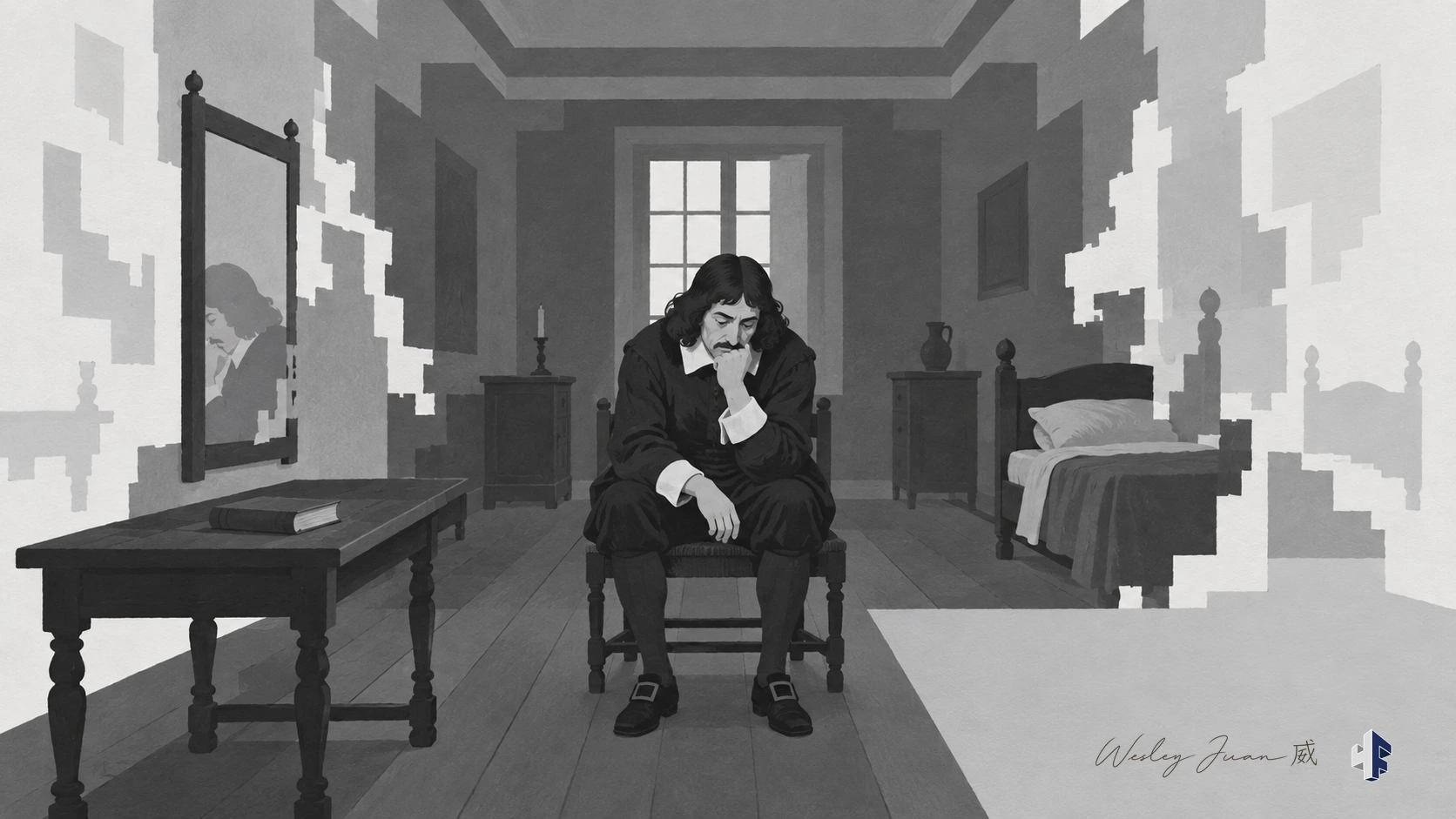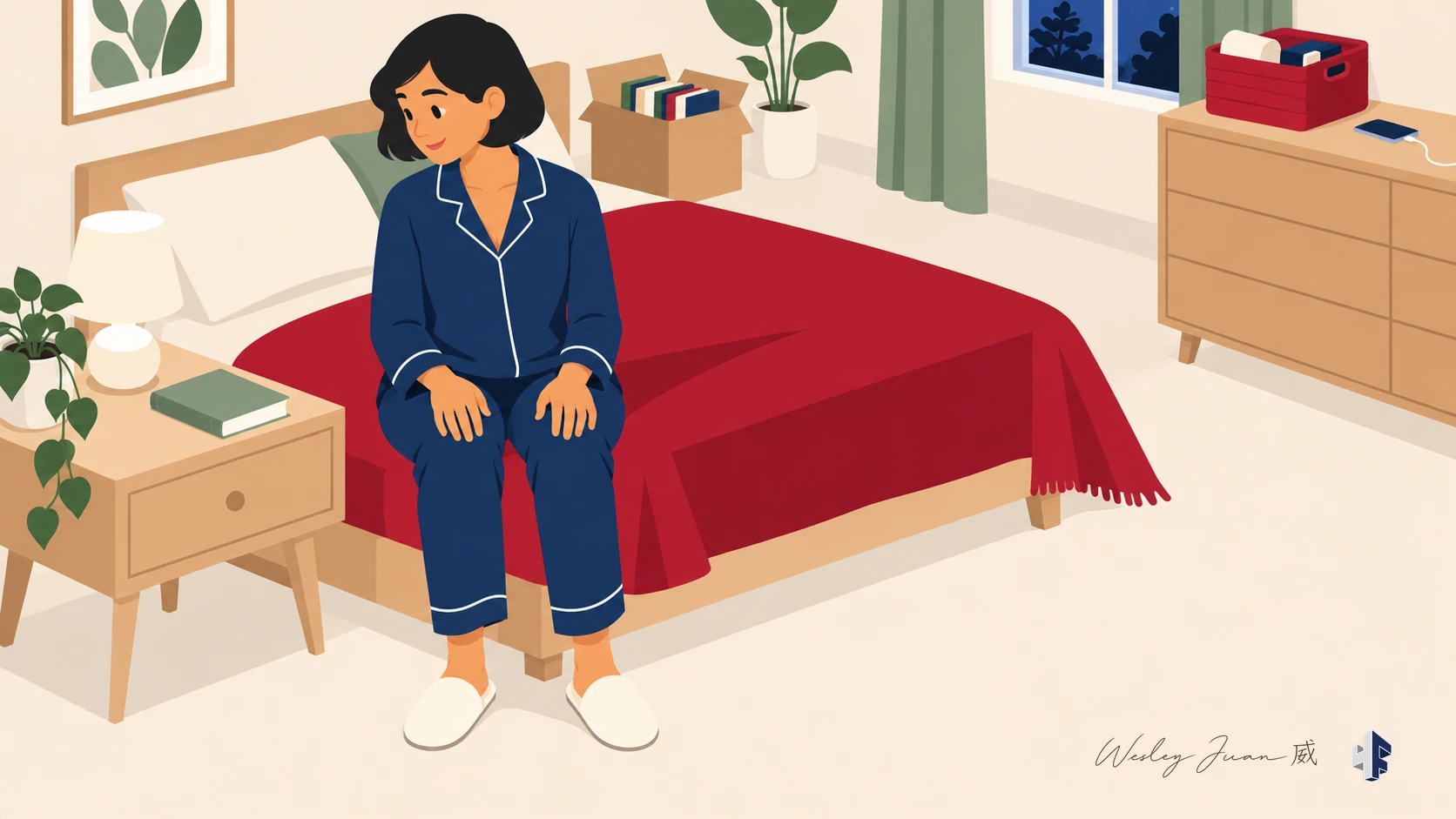
You’ve been meaning to read a few pages before bed. The book is in a cardboard box in the living room, the lamp has migrated to another room, and your phone is charging by the bed. Night comes, and you tell yourself again: tomorrow, more discipline.
Hold the blame. Look at the scene.
There are plenty of reasons something doesn’t happen. You were too tired. You don’t actually want to read that book. The timing was wrong. Or just getting ready to start meant handling several small chores in a row. File every one of them under “I have no willpower,” and it gets harder to see what you could change.
Replay an ordinary evening. Where were you when you thought about reading? What did you have to do next? At which step does the impulse usually vanish? Pinning down one specific spot gets you closer to something fixable than passing judgment on your whole character.
Your surroundings won’t solve everything. But until you’ve checked the scene, there’s no need to load all the blame onto willpower.
Cut one detour out of the thing you want to do
Earlier in the day, put the book and the lamp where you’ll actually sit. Leave the bookmark at the next page so you don’t have to hunt for your place every night. Set the goal at one short stretch, and decide whether to keep going once it gets interesting.
Whether any of this helps, you’ll have to test. For one person, a book by the bed is a reminder. For another, the bed is for resting, and reading only finds room after breakfast. Don’t let one setup failing convince you that nothing works.
Flip it around, and the things you don’t want to open on autopilot can go a little farther away. But if your job means being reachable, you don’t need to copy the advice to switch your phone off. The adjustments should serve your life, not put your life through an exam set by a pretty list of rules.
Before you demand more effort from yourself, see if you can skip a detour.
The path is clear, and you still don’t want to go
If everything is ready and you still don’t want to start, ask a different question: is this something you actually want? Do you want to read this book, or do you want to be someone who looks like a reader?
Maybe you’d rather watch something, or listen to an interview, or maybe tonight you just need sleep. Rechecking the purpose isn’t the same as retreating at the first obstacle. It tells you whether to change how you start, or change what you’re going after.
Some goals really do mean pushing through a stretch of the unfamiliar and the uncomfortable. Then make the commitment small and clear: three tries this week, ten minutes each, then see whether to continue. Don’t translate getting stuck once into “this was never for me.”

Design one small change you can watch
Pick the routine where you get stuck most often and change just one thing. Get the materials out ahead of time, mark the spot where you’ll start next time, or block out a stretch you know won’t be interrupted. A few days later, check whether the sticking point has moved.
If you still didn’t start, the record can be simple: too late that day, something came up, didn’t actually know the next step. Notes like that point to the next adjustment far better than a big fat X.
You don’t need to turn every interest into an assembly line. But for the things you really do want to get closer to, the ones where you keep stopping at the door, clear the hallway now and then so starting takes a little less effort. Whatever you choose after that is more truly yours.
The book and the lamp are in place, and you still don’t feel like reading tonight. How do you tell whether you need rest, a different book, or a fresh look at why you’re reading at all?
Your notes and saves (optional)
Keep a version of your own.
Saved only in this device’s browser and never sent anywhere. Other devices won’t see it, and clearing your browsing data erases it.