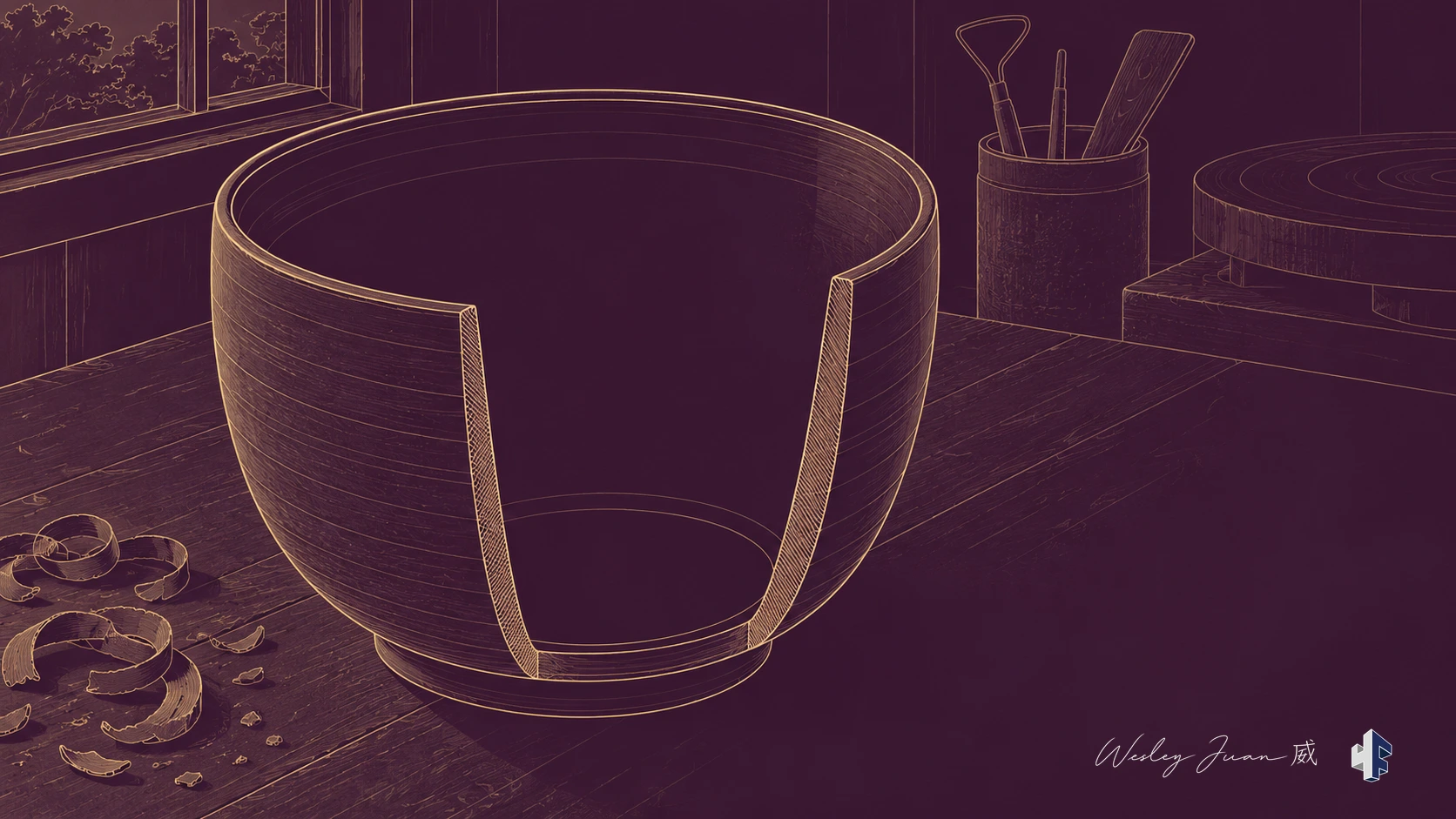
You only wanted to know why a certain lamp looks so good. One search led to another: materials, light, and somehow you ended up reading the housing history of an entire city. The original question has been answered, and you still don’t want to close the window.
There was another door right beside it
Some learning has a clear use. You need to fix something tomorrow, so today you find just enough information. Other times, we’re drawn to what sits beside the question: Why did people used to love this kind of lamp? And why did it go out of fashion in another era?
You still haven’t picked a lamp, but the tabs keep multiplying. In one old photo, a lamp is glowing in someone’s window, too.
First, decide what today is for
Exploring is seductive, and it can also push a deadline even further off. If the draft is due tomorrow, going from lamps to the history of a whole city may not be the best call right now.
Before you start, draw a simple line for the day: What do I need to solve? And how much time am I willing to give a question when I don’t know where it leads? Both kinds of time can exist. Drawing the line clearly makes it easier to wander far without worrying.
Sometimes the reward is knowing more clearly what you still want to know.
When answers come this easily, do you still want to ask?
AI can quickly sort out the vocabulary of an unfamiliar field and suggest a beginner’s route. It makes some doors easier to push open, but what you see on the other side still has to be checked, step by step.
If you only ever take the neatly packaged conclusion, you may soon have a version you can repeat, without knowing which part actually interests you. Pick a line that makes you pause, even slightly. Ask about its conditions, look at the original examples, or find a claim that doesn’t fit with it.
You don’t have to follow every thread to the end. Being able to tell “I understand this” from “I can repeat this for now” is a fine place to stop.
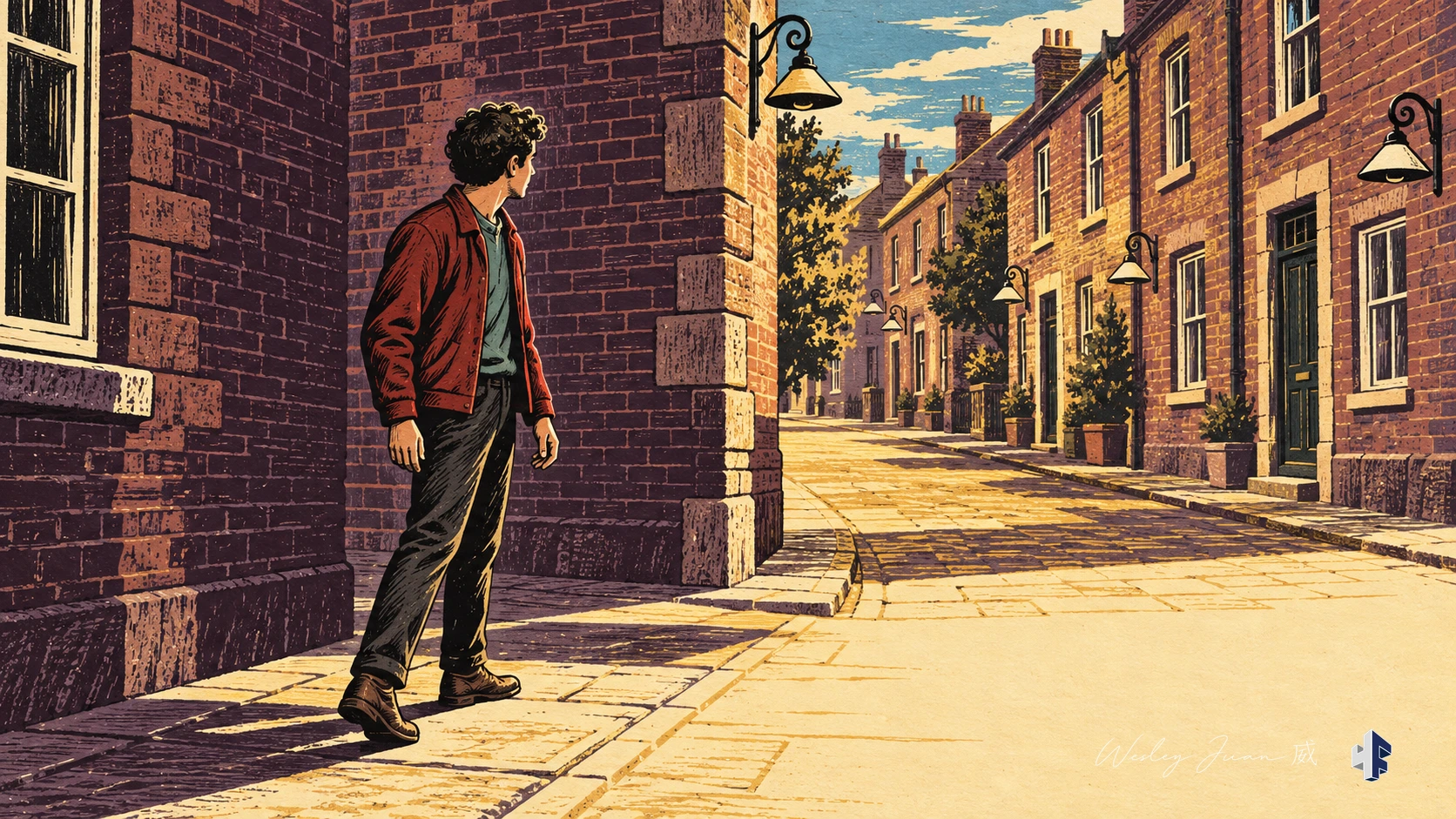
Leave a note for next time
The real loss in exploring, sometimes, isn’t the missing conclusion. It’s coming back later and no longer remembering why you cared. Ten saved links, and nothing left of the small surprise you felt back then.
Maybe just leave one line: “What were the people in that photo doing by the window at night?” Next time you open it, you may not find the answer, but you’ll remember how you got there.
Someday that question may hook into something else. Or it may just stay where it is. You don’t need a guarantee that every bit of curiosity will pay off before you let yourself save it a little room.
You looked up a lamp and ended up reading a city’s history. What kind of detour makes leaving the original question worth it?
Your notes and saves (optional)
Keep a version of your own.
Saved only in this device’s browser and never sent anywhere. Other devices won’t see it, and clearing your browsing data erases it.